New Construction Or Classic Estates In McLean
July 23, 2026
July 23, 2026
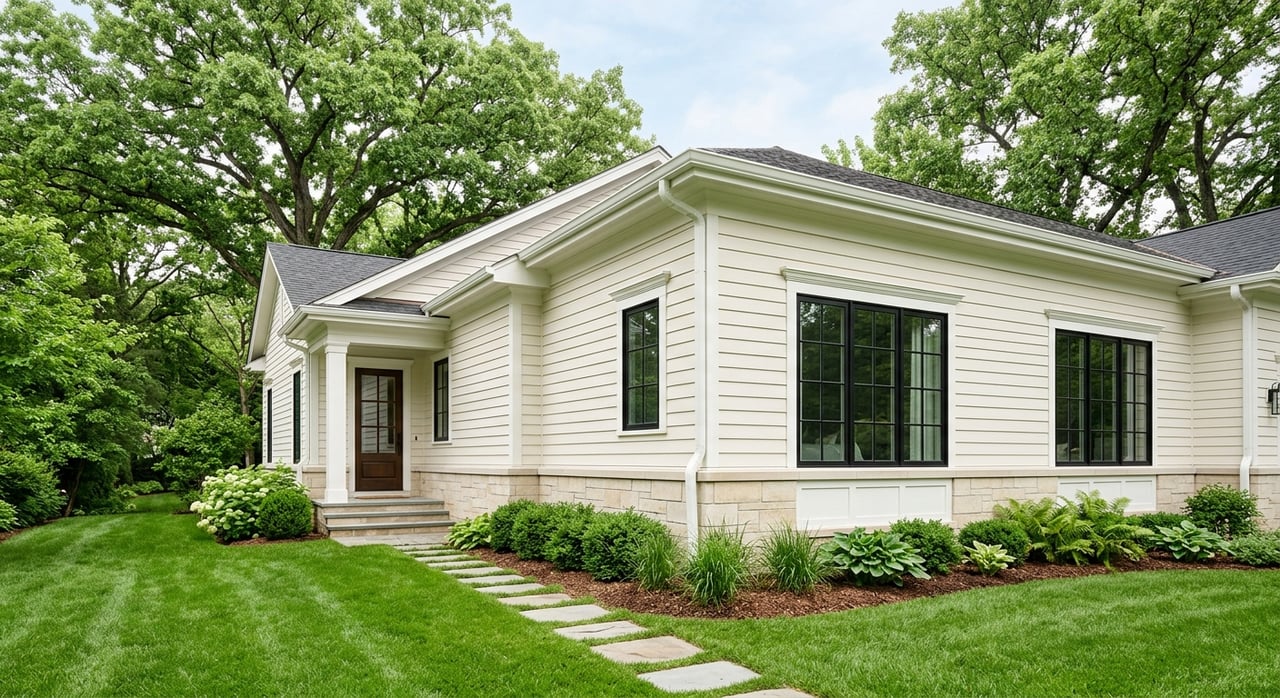
Choosing between a brand-new home and a classic estate in McLean is not just about whether you prefer modern finishes or timeless architecture. In this market, the bigger question is often what you value most: turnkey living, or land and long-term flexibility. If you are weighing both paths, understanding how McLean is planned, built, and regulated can help you make a smarter decision. Let’s dive in.
McLean is not a one-size-fits-all market. Fairfax County describes much of the area as a stable, low-density residential district made up largely of single-family detached homes, with western sections that include large-lot and estate-style development.
That means your choice is rarely just house versus house. In McLean, you are often comparing two very different assets: a newer home with current features and systems, or an older property where the lot, privacy, and setting may carry much of the value.
Market snapshots also show that McLean sits firmly in the luxury tier. Reported pricing varies by source and method, but current data points place the market in a high-value range with strong demand and relatively fast activity for many homes.
For many buyers, new construction is appealing because it feels simple. You get a home built to current expectations, with newer materials, updated layouts, and systems that should require less immediate attention.
In Virginia, new homes are built to the current state energy-code baseline, including the 2021 IECC and ASHRAE 90.1-2019 standards that took effect on January 18, 2024. In practical terms, that can mean a stronger baseline for efficiency in the building envelope and home systems compared with many older properties.
If you want a home that is ready to enjoy right away, new construction may be the cleaner fit. Many buyers prefer open layouts, newer kitchens, modern primary suites, and spaces that match how people live and entertain today.
That convenience can matter even more in a fast-moving, high-price market. A newer home may let you avoid taking on a renovation project right after closing.
In McLean, new construction is not only a design choice. It is also a permitting and compliance process.
Fairfax County requires building permits for new buildings, additions, and structures. In some cases, major construction may be treated as a new house for code purposes, which can trigger a new Residential Use Permit before occupancy.
For you as a buyer, that means it is worth confirming that the home was properly permitted and approved. On higher-end properties, details behind the walls can matter just as much as the finishes you see on showing day.
In many parts of McLean, new construction is tied to infill or redevelopment. The benefit is obvious: newer systems, newer finishes, and current-code construction.
The trade-off is often the site itself. Compared with a classic estate, a new build may sit on a smaller lot or one with less mature landscaping, simply because many newer homes are created through redevelopment within an established low-density area.
Classic estates in McLean usually appeal to buyers who want something harder to reproduce. That often means more land, more privacy, a deeper setback, mature trees, and a setting that feels established from the moment you arrive.
In some parts of McLean, Fairfax County’s planning framework preserves large-lot and estate-style development. Because of that, classic estate properties can derive significant value from acreage and site quality, not just interior square footage.
If your priority is space around the home, a classic estate often stands out. In McLean, that can mean a parcel where the outdoor setting is as important as the house itself.
This kind of value can be hard to recreate later. A kitchen can be remodeled, and systems can be replaced, but lot size, placement, and mature landscape character are much more difficult to duplicate.
Older estates may also bring architectural presence and site design that newer infill homes cannot fully mimic. Even when a new build is beautifully executed, it may not have the same relationship to the land or the same sense of history and permanence.
For some buyers, that distinction matters a lot. The home becomes not only a residence, but also a long-term setting with a unique identity.
Classic estates can come with more questions. If a property has older improvements or prior additions, you should confirm whether that work was properly permitted and whether future changes are realistic under current rules.
Fairfax County notes that buildability depends on factors such as zoning, floodplain, Chesapeake Bay Preservation requirements, and stormwater rules. The county also notes that a lot generally supports only one dwelling unit, with limited exceptions, so acreage does not automatically mean easy subdivision or unlimited expansion.
Some classic properties in McLean may sit within or near a historic overlay district. When that happens, exterior alterations or additions that require a county permit may also require review by the Architectural Review Board.
That does not mean a property is off-limits or impossible to improve. It does mean that if you are counting on changing the exterior character, expanding, or making major visible updates, you should understand that extra review process before moving forward.
For a buyer who values preservation and architectural continuity, that may feel like a positive. For a buyer who wants maximum design freedom, it is a variable worth weighing early.
This is one of the biggest mistakes buyers can make in McLean. Two homes with similar interior size may offer very different long-term value depending on the lot, zoning district, setbacks, association rules, and whether exterior changes are subject to additional review.
A larger floor plan does not always mean the better fit. In this market, the usability of the land and the limits on future changes can matter just as much as what is already built.
Whether you are buying a newer home or an estate, it is smart to verify whether the property is part of a common-interest community. In Virginia, association disclosure laws require delivery of information such as governing documents, assessments, and violation status through the disclosure packet or resale certificate.
Those materials often include the declaration, plats, bylaws, and rules and regulations. If you are buying in a planned community, those documents can shape your ownership experience in very practical ways.
If you are deciding between new construction and a classic estate in McLean, it helps to focus on the asset that matters most to you.
Choose new construction if you value:
Choose a classic estate if you value:
In many cases, the real decision is not new versus old. It is newer systems and convenience versus land, privacy, and character.
Before you move ahead on either type of property, make sure you confirm the basics that can affect cost, flexibility, and resale.
Key items to review include:
In McLean, these details are not minor. They can shape renovation plans, carrying costs, and your exit strategy down the road.
In McLean, the better choice often comes down to what will be harder for you to replace later. If you can always update finishes but cannot create a larger lot or more private setting, a classic estate may deserve serious attention. If you want a home that lives well today with fewer immediate projects, new construction may be the clearer answer.
The best decisions in this market usually come from looking beyond the surface. When you evaluate the house, the lot, and the rules that govern both, you put yourself in a much stronger position to buy with confidence.
If you are weighing new construction against a classic estate in McLean, Wydler Brothers can help you compare the trade-offs, understand the local variables, and move forward with a clear strategy.
Stay up to date on the latest real estate trends.

The national market is anything but uniform. Here's where Washington fits in.
A Realtor's Guide to Moving

Why High Mortgage Rates, Low Inventory, and Frozen Housing Mobility Continue to Restrain the DC Housing Market

How to Rethink Your Home, Lifestyle, and Future in the Empty Nest Phase

Twenty-one years ago, Steve and I wrote our first Washington Post article titled “Bigger Bids Aren’t Always Better Bids.”
Much has been written about the coming “Silver Tsunami” — the unprecedented wave of wealth transferring from Baby Boomers to younger generations. But from where we sit… Read more

As we look forward to this new year and enter a new housing market era, Steve and Hans have tackled 15 of the most common real-estate myths they see in the market.

Compass Corporate has released their 2026 Market Outlook, and a handful of insights stood out as especially telling. Here is what caught our attention.

Valuing and negotiating a home can feel a lot like blackjack. You need skill, instinct, and some luck—and the stakes are real.
Wydler Brothers have been selling residential real estate for over 20 years in the DC metro area. Along the way, they’ve achieved numerous awards and recognitions, including being recognized as “The Most Innovative Real Estate Agent in America” (Inman, 2014), written several articles for The Washington Post, authored a book, “Inside the Sell”, co-founded a real estate tech company which sold to Move, Inc. in 2013, and built Wydler Brothers into a highly respected boutique brokerage with 70 agents and employees which they sold to Compass in 2019. Currently, Wydler Brothers is among the top 3 teams in the DMV and was the #1 Compass Team in 2022.