Preparing A Potomac Estate For Today’s Buyers
May 28, 2026
May 28, 2026
If you own an estate in Potomac, you are not just selling square footage. You are selling the way the house lives on the land. In a market where buyers move quickly and expect polished presentation, the homes that feel clear, cared for, and easy to understand often have the strongest first impression. This guide walks you through how to prepare a Potomac estate for today’s buyers, from early updates to final marketing decisions. Let’s dive in.
Potomac is a high-value housing market with a strong owner-occupied profile. Census data reports an owner-occupied housing rate of 84.8% and a median value of owner-occupied homes of $1.157 million. Recent market snapshots put the median sale price around $1.215 million and the median listing price around $1.225 million in March 2026.
That pricing sits alongside strong competition. Redfin describes Potomac as very competitive, with homes averaging about three offers and roughly 20 days on market, while Realtor.com characterizes it as a seller’s market. Even in a favorable market, though, buyers at this level tend to compare carefully and expect a listing to feel finished from day one.
Potomac’s planning framework helps explain what buyers notice first. Montgomery Planning describes the area as intentionally low-density and green, with a semi-rural ambiance that has been preserved over time. The housing stock also leans heavily toward detached homes, which made up 74.2% of Potomac Subregion housing units in 2023.
That means buyers are often judging more than the interior design. They are looking at privacy, how the home sits on the lot, the approach from the street, the condition of the grounds, and whether outdoor spaces feel usable and connected to the home. In Potomac, the site is part of the product.
Before you choose projects or call vendors, walk the property as if you were seeing it online first and in person second. Today’s buyers often build expectations from digital marketing before they ever schedule a visit. If the experience in person feels less polished than the photos suggest, interest can cool quickly.
A simple audit can help you spot friction early. Focus on the rooms and exterior areas that shape first impressions most.
NAR’s 2023 staging report found that living rooms, kitchens, primary bedrooms, and dining rooms are among the most commonly staged spaces. Those are the rooms where buyers often need the clearest visual story.
If you are one to three years away from selling, early decluttering is one of the smartest moves you can make. It gives you time to reduce visual noise, simplify storage, and make future repairs or painting easier. It also lowers stress when the listing timeline becomes real.
NAR’s staging guidance notes that professionals remove personal items and clutter before photography because buyers need help visualizing the home more clearly. That matters even more in larger homes, where too much furniture or too many personal collections can make rooms feel harder to read.
The goal is not to make your home feel empty. The goal is to make it feel spacious, calm, and easy for buyers to understand.
Not every Potomac estate needs a full renovation before it hits the market. In many cases, the better strategy is to make selective improvements that signal care and remove objections. Buyers notice condition, especially in kitchens, baths, and core systems, but they do not always need a dramatic redesign to feel confident.
NAR’s 2025 Remodeling Impact Report says the top projects recommended before listing include painting the entire home, painting one room, and roofing work when needed. The same report also points to strong buyer demand around kitchen upgrades and bathroom renovations.
If a full kitchen renovation is not practical, cosmetic changes can still help. NAR notes that fresh paint, updated lighting, and newer hardware can make a dated kitchen feel better maintained and more current.
In higher price points, buyers tend to be more sensitive to kitchens and primary bathrooms than to smaller decorative flaws elsewhere. These spaces shape the perceived upkeep of the entire home. If they feel tired, buyers may assume other maintenance has also been deferred.
That does not mean you should over-customize. It means you should make those spaces feel clean, bright, functional, and well cared for. Even modest updates can improve how buyers read the home.
The right level of prep depends on condition, budget, and timing. In many Potomac homes, a smart refresh beats an expensive project that is too specific in style.
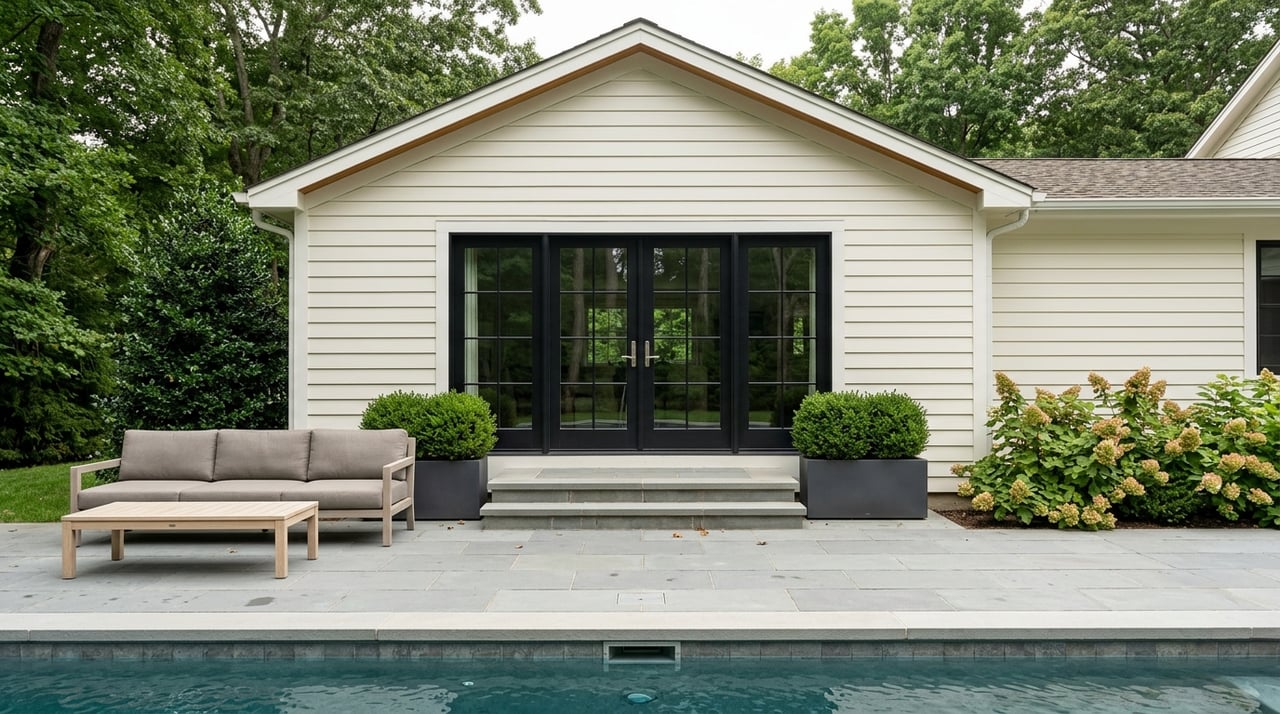
In Potomac, exterior presentation carries serious weight. The area’s green character and detached-home housing profile mean buyers often assign value to privacy, landscape quality, and the overall experience of the lot. Strong interior prep cannot fully compensate for grounds that feel neglected.
NAR reports that 92% of REALTORS® recommend improving curb appeal before listing, and 97% say curb appeal is important in attracting a buyer. Its outdoor-features research identifies standard lawn care, landscape maintenance, overall landscape upgrades, and a new patio as projects with strong perceived value recovery.
The aim is to show that the property has been maintained as a whole. Buyers should be able to picture entertaining, relaxing, and moving easily between indoor and outdoor spaces.
This step is easy to underestimate, but it matters. NAR’s staging report found that 81% of buyers’ agents said staging helps buyers visualize a property as a future home, and 58% said staging affects most buyers’ view of a home most of the time.
It also found that photos, videos, and virtual tours now carry major weight in the search process. Buyers reported that photos were especially important, followed closely by videos and virtual tours, and many expected to view a median of 12 homes virtually before seeing about seven in person.
NAR’s guidance on marketing dated kitchens makes a simple point: the first open house is effectively online. If the home is not fully staged and polished when photography happens, you may lose buyers before they ever arrive.
That is why final styling, furniture placement, and finishing touches should happen before the listing goes live. In Potomac, your digital debut needs to communicate both scale and warmth.
For many Potomac estates, one of the biggest missed opportunities is under-explaining the site. Buyers may understand interior finishes quickly, but they often need help grasping the value of frontage, tree cover, outdoor rooms, views, and the relationship between the house and the land.
The marketing should show the full story. That includes approach, setting, usable outdoor areas, and how the home offers privacy and room to spread out. In a market shaped by low-density planning and green surroundings, those qualities can be central to buyer interest.
For a team like Wydler Brothers, this is where high-production photography, video, and 360 tours can do real work. The goal is not just to make the property look beautiful. It is to help buyers understand it.
Luxury buyers often arrive with strong expectations. NAR’s staging research found that many buyers already have a firm sense of where they want to live and what they want before they begin shopping. That means your listing needs to be polished without crossing into overpromising.
The best estate marketing is specific and credible. It should accurately reflect condition, layout, and usable outdoor space so the in-person showing confirms the promise made online. In a competitive market, trust still matters.
If you are planning ahead, a phased approach usually works best. It lets you spread out decisions, preserve flexibility, and invest where buyers are most likely to notice.
Thoughtful preparation is not about making your home look generic. It is about reducing uncertainty for buyers and presenting the property in a way that matches how Potomac buyers actually shop.
When you are ready to position your estate for today’s market, Wydler Brothers can help you create a tailored preparation and marketing plan built for Potomac’s high-expectation buyers.
Stay up to date on the latest real estate trends.

More Inventory, More Choice: What Buyers and Sellers Can Expect from the DMV Real Estate Market This Fall

The national market is anything but uniform. Here's where Washington fits in.
A Realtor's Guide to Moving

Why High Mortgage Rates, Low Inventory, and Frozen Housing Mobility Continue to Restrain the DC Housing Market

How to Rethink Your Home, Lifestyle, and Future in the Empty Nest Phase

Twenty-one years ago, Steve and I wrote our first Washington Post article titled “Bigger Bids Aren’t Always Better Bids.”
Much has been written about the coming “Silver Tsunami” — the unprecedented wave of wealth transferring from Baby Boomers to younger generations. But from where we sit… Read more

As we look forward to this new year and enter a new housing market era, Steve and Hans have tackled 15 of the most common real-estate myths they see in the market.

Compass Corporate has released their 2026 Market Outlook, and a handful of insights stood out as especially telling. Here is what caught our attention.
Wydler Brothers have been selling residential real estate for over 20 years in the DC metro area. Along the way, they’ve achieved numerous awards and recognitions, including being recognized as “The Most Innovative Real Estate Agent in America” (Inman, 2014), written several articles for The Washington Post, authored a book, “Inside the Sell”, co-founded a real estate tech company which sold to Move, Inc. in 2013, and built Wydler Brothers into a highly respected boutique brokerage with 70 agents and employees which they sold to Compass in 2019. Currently, Wydler Brothers is among the top 3 teams in the DMV and was the #1 Compass Team in 2022.