Selling A Kalorama Home With Confidence
June 18, 2026
June 18, 2026
Selling in Kalorama is not the same as selling anywhere else in DC. A rowhouse, a grand townhouse, a free-standing residence, or a unit in a historic apartment building can all carry the Kalorama name, but buyers do not value them the same way. If you want to sell with confidence, you need a strategy that fits your home’s exact architecture, condition, and timing. Let’s dive in.
Kalorama includes a wide range of housing types, not one uniform style. DC’s Office of Planning describes Kalorama Triangle as a historic district with rowhouses, apartment buildings, and some free-standing residences, while Sheridan-Kalorama includes rowhouses, distinguished townhouses, grand mansions, and large apartment buildings.
That variety matters when you sell. Buyers comparing a classic brick rowhouse are looking at different features than buyers considering a larger detached home or mansion-scale property. The strongest sales strategy starts with your home’s exact subtype, layout, level of finish, and condition, not the neighborhood name alone.
In a place as varied as Kalorama, broad market averages only tell part of the story. In March 2026, Washington, DC was labeled a buyer’s market, with homes selling at about 99% of list price and a citywide median of 41 days on market. At the same time, Sheridan-Kalorama Historic District showed a median of 24 days on market, suggesting that well-positioned homes in desirable historic areas can move faster than the citywide average.
Bright MLS data also showed strong spring momentum across the Washington metro area. In March 2026, median days on market were 11, and by April they had dropped to 8, while pending activity and closed sales increased.
For you, the practical lesson is simple: price locally and specifically. The best approach is to compare your home to the most recent nearby sales with similar scale, building form, and finish level, while carefully weighing original condition against updated condition.
A citywide median price or average time on market may sound useful, but it can blur the details that drive real buyer behavior in Kalorama. A historic rowhouse with tasteful updates may attract one buyer pool, while a larger home needing exterior work may attract another.
That is why confidence comes from precision. When pricing reflects your home’s real competitive set, you are better positioned to attract serious interest without chasing the market later.
Before you make pre-listing changes, it helps to understand how DC’s historic-preservation process works. The Office of Planning encourages owners to contact the Historic Preservation Office for a preliminary design review consultation before applying for a building permit. It also notes that more than 95% of preservation-review permit applications are handled through the expedited review process.
That said, not every project is treated the same. Some updates are generally exempt from historic-preservation review, while more substantial exterior work may require a deeper review process.
If your goal is to get market-ready without adding avoidable delays, these are generally the safer categories to focus on before listing:
These types of improvements can help your home feel polished and cared for, which matters to buyers.
Major exterior work is more likely to trigger review by the Historic Preservation Review Board. That can include:
If you are planning to sell soon, it is often wiser to avoid starting one of these projects right before launch unless the timing and review path are already clear.
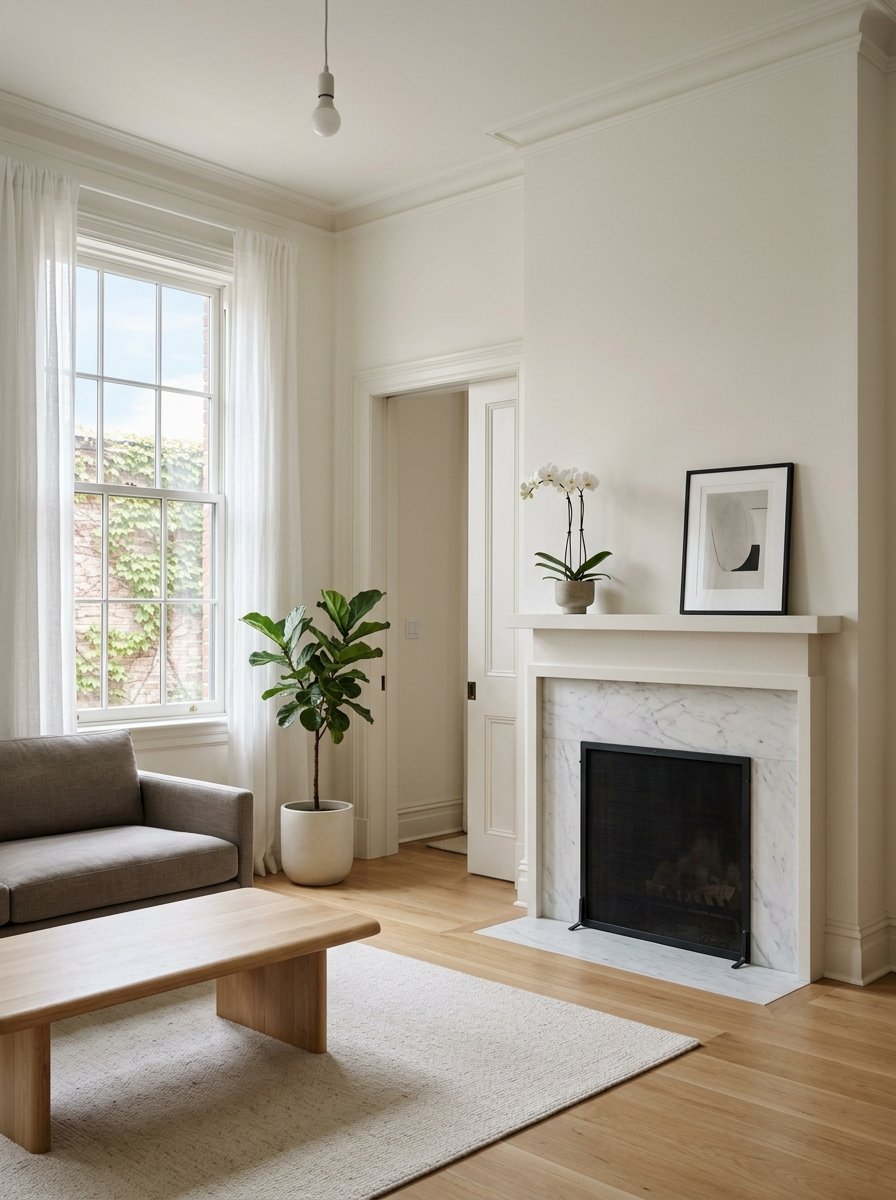
Kalorama buyers often respond to architectural character just as much as square footage. The district’s building stock includes brick rowhouses, classical and Revival townhouses, grand mansions, and historic apartment buildings. That means your home should be prepared in a way that lets original details stand out.
Instead of over-decorating, aim for a clean and edited presentation. Scale, natural light, brickwork, trim, window proportions, and entrance features should be easy to notice the moment a buyer walks in or scrolls through the listing photos.
According to the National Association of Realtors’ 2023 Profile of Home Staging, 81% of buyers’ agents said staging made it easier for buyers to visualize a property as a future home. The same report found that 20% of buyers’ agents said staging increased the dollar value offered by 1% to 5% compared with similar unstaged homes.
In practical terms, staging should support the home, not compete with it. In Kalorama, that usually means clean surfaces, lighter visual weight, edited furnishings, and clear sightlines that keep attention on the architecture.
The rooms staged most often are the living room, primary bedroom, kitchen, and dining room. If you are prioritizing time and budget, those are smart places to start.
Photography matters because many buyers form their first impression online. The same NAR staging report found that photos were considered much or more important by 77% of buyers’ agents and 89% of sellers’ agents.
In Kalorama, strong photography should do more than document rooms. It should also capture the setting, facade, streetscape, and the details that make your home feel specific to the neighborhood.
That approach also aligns with DC’s preservation review materials, which call for exterior photographs and, when context matters, photos of the surrounding setting. Even when you are not seeking approval for a project, this reinforces how important exterior and context imagery can be in a historic district.
Spring 2026 data pointed to stronger market momentum in the Washington metro area. Closed sales rose from 3,818 in March to 4,581 in April, median sold price increased from $635,000 to $661,000, and median days on market fell from 11 to 8.
For many sellers, that supports a spring launch once the home is truly ready. But timing is not only about the calendar. In Kalorama, the right launch window also depends on whether your home is fully prepared, properly photographed, and free of last-minute issues tied to permits, preservation review, or tenant-related requirements.
A rushed launch can undercut a strong property. If buyers see unfinished repairs, unclear presentation, or awkward pricing, they may hesitate even in an active market.
Confidence usually comes from sequencing the sale correctly: prep first, document the property well, refine pricing, then go live when the home is positioned to make a strong first impression.
Presentation is only one part of a confident sale. In DC, a few local process items can affect your timing and net proceeds, so it is smart to review them early.
DC’s current deed recordation tax and deed transfer tax are both 1.1% for residential transfers below $400,000 and 1.45% on the full amount for transfers above $400,000. Knowing how these costs fit into your expected proceeds can help you plan more accurately.
If your property is a rental housing unit or may fall under DC’s rental-housing sale rules, tenant-related requirements may also apply before the sale can move forward. That is the kind of issue you want to identify before a contract is signed, not after.
Selling a Kalorama home with confidence means respecting what makes the property unique. Your pricing should reflect the right nearby comparables, your prep should work with historic-district rules rather than against them, and your marketing should highlight the architecture and setting that buyers are paying for.
That is where an advisory approach can make a real difference. When the details are handled thoughtfully, you can move forward with more clarity, fewer surprises, and a better chance of a strong outcome. If you are thinking about your next move in Kalorama, Wydler Brothers can help you build a personalized strategy from day one.
Stay up to date on the latest real estate trends.

Trick or Treat? The Psychology of 7%

More Inventory, More Choice: What Buyers and Sellers Can Expect from the DMV Real Estate Market This Fall

The national market is anything but uniform. Here's where Washington fits in.
A Realtor's Guide to Moving

Why High Mortgage Rates, Low Inventory, and Frozen Housing Mobility Continue to Restrain the DC Housing Market

How to Rethink Your Home, Lifestyle, and Future in the Empty Nest Phase

Twenty-one years ago, Steve and I wrote our first Washington Post article titled “Bigger Bids Aren’t Always Better Bids.”
Much has been written about the coming “Silver Tsunami” — the unprecedented wave of wealth transferring from Baby Boomers to younger generations. But from where we sit… Read more

As we look forward to this new year and enter a new housing market era, Steve and Hans have tackled 15 of the most common real-estate myths they see in the market.
Wydler Brothers have been selling residential real estate for over 20 years in the DC metro area. Along the way, they’ve achieved numerous awards and recognitions, including being recognized as “The Most Innovative Real Estate Agent in America” (Inman, 2014), written several articles for The Washington Post, authored a book, “Inside the Sell”, co-founded a real estate tech company which sold to Move, Inc. in 2013, and built Wydler Brothers into a highly respected boutique brokerage with 70 agents and employees which they sold to Compass in 2019. Currently, Wydler Brothers is among the top 3 teams in the DMV and was the #1 Compass Team in 2022.