Staging Your Chevy Chase Maryland Home To Shine
July 16, 2026
July 16, 2026
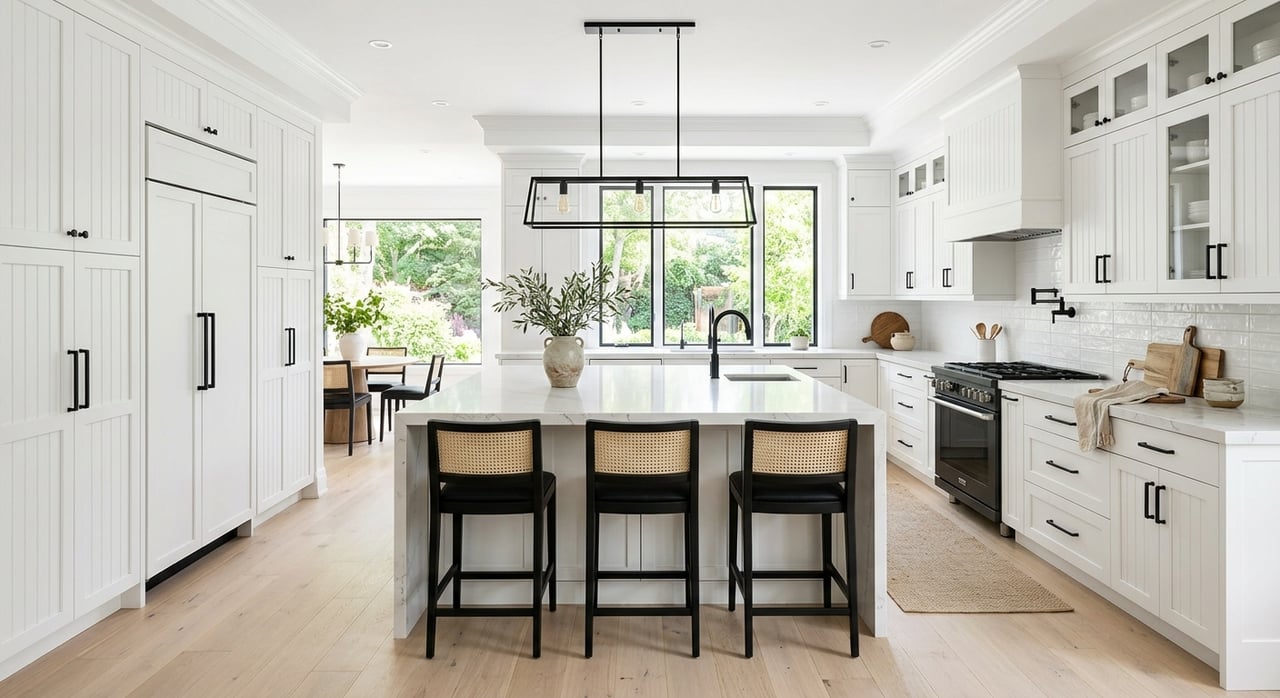
Is your Chevy Chase home ready to impress in the first five seconds? In a market where home values sit around the $1.25 million to $1.3 million range and listings can go pending in about 14 days, buyers often make fast judgments based on what they see online and in person. If you want your home to stand out, smart staging can help you highlight its strengths, reduce distractions, and create a polished first impression. Let’s dive in.
Chevy Chase is an upper-tier Montgomery County market, and that shapes buyer expectations. When buyers are comparing homes at this price point, they are often looking closely at presentation, condition, and overall care.
That matters because online visuals drive early interest. Among buyers who used the internet during their search, photos were the most useful feature at 81%, followed by detailed property information at 77%, floor plans at 57%, and virtual tours at 38%.
Staging also helps buyers picture themselves in the space. National staging research found that 83% of buyers’ agents said staging made it easier for buyers to visualize a property as a future home, and many said it influenced how buyers responded to a listing.
If you have lived in your home for years, you are not alone. The typical seller has owned their home for 11 years, which means many homes need a shift from everyday living to market-ready presentation.
That shift usually starts with editing. Before you think about adding decor, remove visual noise so buyers can focus on the home itself, not the contents of your shelves, counters, or closets.
Focus first on the staging basics that consistently show up in pre-listing guidance:
These steps may sound simple, but they create the clean, calm backdrop that helps architecture, light, and scale come through.
Not every room needs the same level of effort. According to staging research, the most commonly staged rooms are the living room, primary bedroom, and dining room.
In practical terms, those are often the spaces where buyers judge comfort, flow, and daily livability. If you are deciding where to invest your time and budget, begin there.
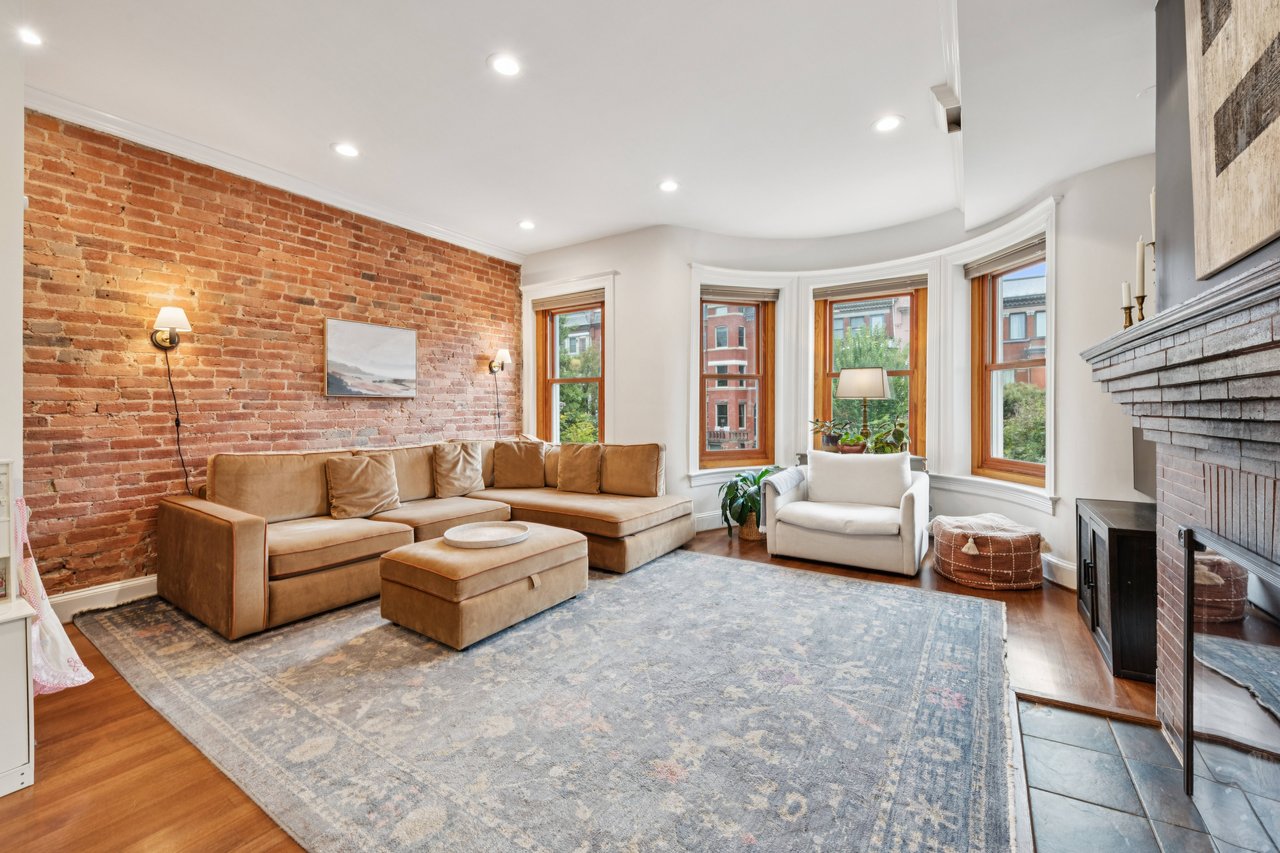
The living room is the most commonly staged space, and for good reason. It often carries the job of showing how the home feels when people gather, relax, or entertain.
Use furniture that fits the room without crowding it. Keep walkways open, reduce oversized pieces, and let natural light and sightlines do more of the work.
Your primary bedroom should feel restful and spacious. That usually means pared-down nightstands, simple bedding, and fewer personal items on dressers and surfaces.
If the room is large, staging can also help define proportion. A seating area or bench can make the space feel intentional, but only if it does not interrupt flow.
Buyers want to understand how a room lives. A dining room should feel ready for everyday meals or entertaining, not like a storage zone for overflow furniture.
A clean table setting, balanced lighting, and a clear sense of scale can help. You do not need elaborate styling. You just need the room to feel purposeful.
Many Chevy Chase homes have strong architectural character, and staging should support that rather than cover it up. Original trim, built-ins, mantels, wood floors, and other period details can be part of what makes a property memorable.
If your home has these features, let them breathe. Pull furniture slightly away from standout details, avoid heavy window treatments when possible, and keep decorative layers restrained.
This is especially important in preservation-sensitive areas. Chevy Chase Village guidelines emphasize preserving the district’s sense of time and place, maintaining architectural variety, and focusing review on changes visible from the front or side public right-of-way.
If you are planning to sell within the next 6 to 18 months, it is often smarter to focus on visible, low-disruption improvements than on major custom remodels. Remodeling research shows that agents frequently recommend painting the entire home, painting a single room, and replacing roofing when needed.
Other projects with strong cost recovery include a new steel front door, closet renovation, and a new fiberglass front door. These findings point to a simple truth: buyers respond to updates they can immediately see and appreciate.
That is why smaller fixes often deliver more staging value than large renovations:
If the home already has good bones, do not bury that advantage under a long renovation timeline.
First impressions start before a buyer walks through the front door. Curb appeal is especially important in a place like Chevy Chase, where mature landscaping, established streetscapes, and attractive front elevations all shape expectations.
In NAR’s 2025 outdoor features research, 92% of REALTORS® suggested improving curb appeal before listing. Nearly all said it is important in attracting a buyer and important to a potential buyer.
Your goal is not to make the exterior look flashy. It is to make it feel cared for, clean, and intentional.
Simple exterior work can have an outsized effect. Garage door replacement and steel entry door replacement posted especially strong return figures in remodeling research, which reinforces how much buyers respond to the front approach.
Before listing, pay attention to the basics:
These details signal maintenance and pride of ownership.
Some exterior updates may require more planning. In Montgomery County, a permit is required to plant, prune, or remove a tree in any road right-of-way.
If your property is in a historic area such as the Chevy Chase Village Historic District, proposed visible exterior changes may need review. Montgomery Planning says the Historic Area Work Permit process is intended to be completed in no more than 45 days, and some local governments, including Chevy Chase Village, may need to review proposed changes before an application is filed.
That means timing matters. If you are considering exterior work, start the conversation early so your listing plan stays on track.
Staging is not just about in-person showings. It is also about how your home appears in photos, floor plans, and virtual marketing.
That matters because buyers often see your home online before they ever step inside. In a fast-moving market, those first images can determine whether they schedule a showing or keep scrolling.
For upper-tier Chevy Chase listings, professional photography and floor-plan-based marketing should be part of the plan, not an afterthought. When the home is fully cleaned, edited, and staged, those assets work much harder for you.
If your sale horizon is 6 to 18 months, sequence matters. The strongest approach is to make visible repairs and paint decisions first, then declutter and depersonalize, and then schedule staging and photography after the home is fully cleaned and edited.
That order helps you avoid wasted effort and keeps the final presentation cohesive. It also gives you time to address any local approval needs for exterior work.
A simple staging timeline may look like this:
| Stage | What to do |
|---|---|
| Early planning | Walk through the home, identify visible repairs, decide what stays and what goes |
| Pre-market prep | Paint, touch up surfaces, clean deeply, refresh curb appeal |
| Home editing | Declutter, depersonalize, simplify furniture layout |
| Final presentation | Stage key rooms, complete photography, prepare floor plans and tours |
The best staging does not make your home feel generic. It makes the home easier to understand, easier to remember, and easier to picture as a next chapter.
In Chevy Chase, that often means combining clean presentation with respect for the home’s original character. When buyers can quickly see the architecture, the flow, and the care behind the property, your home has a stronger chance to stand out.
If you are preparing to sell in Chevy Chase, a thoughtful plan can help you focus on the updates that matter most, avoid over-improving, and present your home with confidence. To start the conversation, request a personalized consultation with Wydler Brothers.
Stay up to date on the latest real estate trends.

The national market is anything but uniform. Here's where Washington fits in.

A Realtor's Guide to Moving

Why High Mortgage Rates, Low Inventory, and Frozen Housing Mobility Continue to Restrain the DC Housing Market

How to Rethink Your Home, Lifestyle, and Future in the Empty Nest Phase

Twenty-one years ago, Steve and I wrote our first Washington Post article titled “Bigger Bids Aren’t Always Better Bids.”
Much has been written about the coming “Silver Tsunami” — the unprecedented wave of wealth transferring from Baby Boomers to younger generations. But from where we sit… Read more

As we look forward to this new year and enter a new housing market era, Steve and Hans have tackled 15 of the most common real-estate myths they see in the market.

Compass Corporate has released their 2026 Market Outlook, and a handful of insights stood out as especially telling. Here is what caught our attention.

Valuing and negotiating a home can feel a lot like blackjack. You need skill, instinct, and some luck—and the stakes are real.
Wydler Brothers have been selling residential real estate for over 20 years in the DC metro area. Along the way, they’ve achieved numerous awards and recognitions, including being recognized as “The Most Innovative Real Estate Agent in America” (Inman, 2014), written several articles for The Washington Post, authored a book, “Inside the Sell”, co-founded a real estate tech company which sold to Move, Inc. in 2013, and built Wydler Brothers into a highly respected boutique brokerage with 70 agents and employees which they sold to Compass in 2019. Currently, Wydler Brothers is among the top 3 teams in the DMV and was the #1 Compass Team in 2022.