Choosing Between Condos And Rowhouses In Dupont And West End
February 19, 2026
February 19, 2026
Torn between a sleek West End condo and a classic Dupont rowhouse? You are not alone. Many DC buyers and relocating executives face the same choice as they weigh lifestyle, commute, maintenance and long‑term value. In this guide, you will learn how each option lives day to day, what fees and approvals to check, and how resale dynamics differ so you can choose with confidence. Let’s dive in.
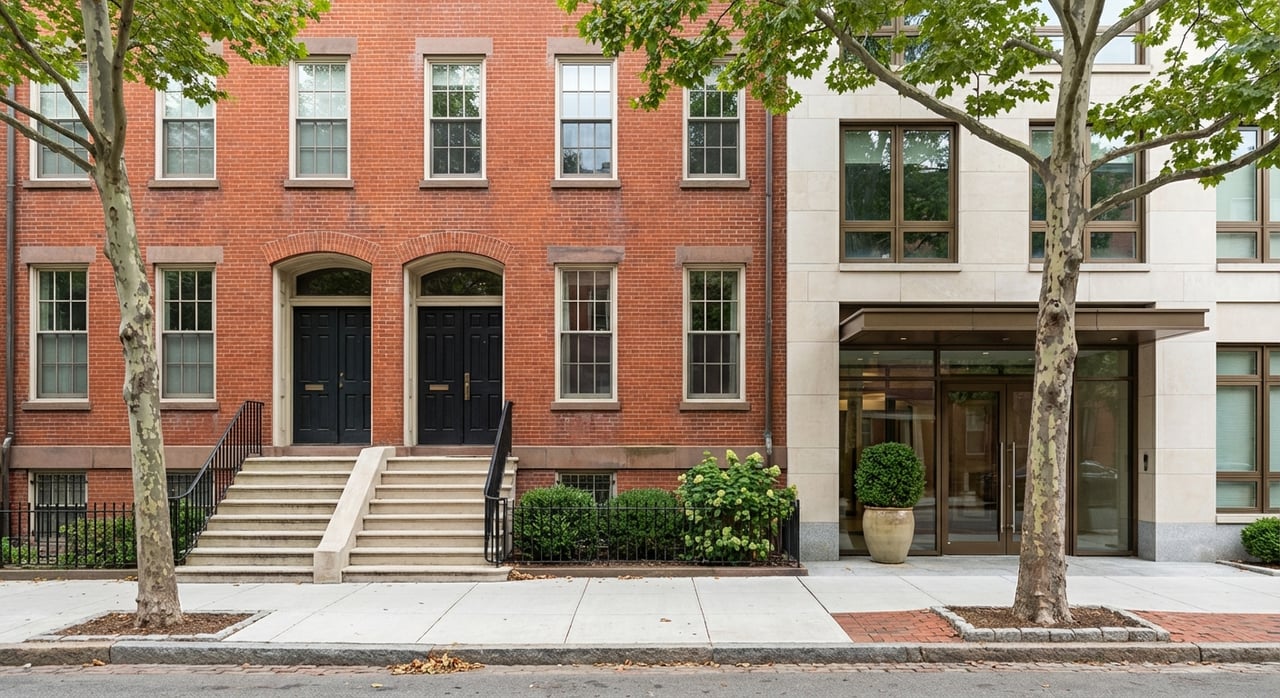
Dupont Circle reads historic and architecturally varied, with tree‑lined streets and many late‑19th‑century rowhouses alongside boutique condo and co‑op buildings. It orients around the circle and has direct Red Line service at Dupont Circle Station. If you want a neighborhood vibe with classic facades and stoops, start here. For a quick primer, see the neighborhood overview for Dupont Circle.
The West End sits just west of Dupont and skews condo‑heavy. You will see more mid‑ and high‑rise buildings, hotels and full‑service luxury condos with concierge, doorman and curated amenities. It neighbors Foggy Bottom and GW Hospital, which keeps daily conveniences close. For context on its built form and location, review the West End overview.
Most West End condos offer single‑level living with elevator access and secure entries. You share walls and floors with neighbors, and while newer buildings often feature better sound mitigation, common‑area activity can add some ambient noise. In exchange, you gain services that simplify daily life, including concierge, package management and on‑site maintenance.
Expect amenity stacks such as gyms, lounges and rooftops. Private outdoor space often means a balcony or terrace, with larger private terraces at higher price points. Deeded storage and garage parking may be available for an additional cost. Notable full‑service addresses include 22 West and The Residences at the Ritz‑Carlton, which are representative of West End’s luxury condo profile.
Condo fees centralize many ownership costs. Typical inclusions are master building insurance, common‑area upkeep, staffing, utilities for shared spaces and reserves for big projects. For a clear breakdown of what fees usually cover, see this consumer explainer on condo fees.
Amounts vary widely by building and amenity level, and they can change over time based on reserves and capital needs. Associations with low reserves sometimes levy special assessments to fund major repairs. Recent reporting underscores how building‑level capital needs can translate into unexpected owner expenses, so reviewing reserves and board minutes is essential. For background on evolving HOA and condo cost pressures, see this AP News coverage of reserve and assessment risks.
Insurance is a two‑part conversation. The association carries a master policy for the structure and shared elements, but you still need an HO‑6 policy to cover your interiors, personal property, liability and potential loss assessments. The District’s insurance regulator explains how master policy types work and why it matters to owners. Review the DC DISB guidance on condominium insurance before you bind coverage.
If you plan to use FHA or VA financing, verify the building’s approval status at the start. Many government‑backed loans require project approval, and if a building is not approved, your financing options may be limited. Conventional financing is common in full‑service buildings, but either way, confirm any project‑level requirements early to avoid delays.
Dupont’s rowhouses typically deliver multi‑level living, private entries and a stronger sense of separation from neighbors. Many offer street‑facing stoops, bay windows and period details. Outdoor space is often a private rear yard, patio or roof deck, making it easier to entertain or garden. Blocks like R, P and S Streets and the Strivers’ Section feature many classic façades that define the neighborhood feel.
With a rowhouse, you gain more control over your home’s envelope and design, but you also take on more responsibility. Owners are typically on the hook for roof, masonry, exterior paint, windows and any yard work. In historic districts, exterior changes often require review and permits, which can add time and cost. DC outlines these requirements and the permitting process; consult the District’s guidance on historic preservation approvals if you are planning updates.
On‑street parking in DC is regulated. Many rowhouses rely on Residential Permit Parking, which restricts non‑permit parking on designated blocks and governs visitor passes. A rowhouse with off‑street parking or a garage often commands a premium because it circumvents permit and street availability issues. If you will depend on street parking, review the District’s ParkDC and RPP programs so you understand eligibility and guest options.
If you commute to Rosslyn, Courthouse or Clarendon, West End’s proximity to the Foggy Bottom–GWU Station means access to the Blue, Orange and Silver lines for a one‑seat ride into Arlington. The trip between Foggy Bottom and Rosslyn is very short, measured in minutes on the train. See a representative transit snapshot of Foggy Bottom to Rosslyn travel time to calibrate expectations.
Dupont sits on the Red Line. That works well if your work or life is centered along the Red Line corridor or downtown. To reach many Arlington stations from Dupont, you will typically make a transfer, so factor that into your daily rhythm.
If you drive, the parking conversation becomes pivotal. West End condos often offer garage parking, sometimes as a separately deeded asset. Rowhouses without off‑street parking depend on RPP availability. Guest parking and visitor passes are subject to local rules, which vary by block and zone. Again, DC’s ParkDC and RPP resources are the best place to confirm details and eligibility.
Supply shapes price. Intact rowhouse blocks in Dupont are limited and many homes have larger footprints, so updated rowhouses with parking and outdoor space often trade at a premium to the condo median. West End condos span a wide spectrum, from efficient one‑bedroom units to penthouses in full‑service buildings.
For a feel of upper‑end rowhouse pricing in Dupont, review this press coverage of a Gothic Revival home at 1614 S St NW, which illustrates how rare historic properties present and price in the market. Read the Washington Post’s feature on a Dupont Gothic Revival rowhouse.
DC uses a split residential tax structure, with rates and rules published by the Office of Tax and Revenue. If you are comparing properties, review the District’s page on real property tax rates and billing to understand how assessments and class designations work.
Arlington County sets its own real estate tax rate, which is published annually by the County Board. A recent published rate was $1.033 per $100 of assessed value for 2025. The key takeaway is that tax bills are driven by each jurisdiction’s rates and your property’s assessed value, which will differ for a fee‑heavy condo versus a land‑owning rowhouse.
Rowhouses benefit from scarcity and a lifestyle premium, especially when they include off‑street parking, outdoor space and a modernized interior. When the market favors single‑family living, these properties often see strong demand.
Condo resale depends heavily on building condition, association health and fee structures. Full‑service West End buildings can be liquid to buyers who value concierge living and amenities, but low reserves, significant deferred maintenance or governance issues can weigh on pricing and days on market. Reviewing financials and board minutes is not just a box to check, it is a pricing and risk signal.
Use this quick framework to pressure‑test your choice:
Ready to compare options side by side, including private outdoor space tradeoffs, fee structures and commute times? Start a tailored conversation with Wydler Brothers and get senior‑level advice on the specific homes and buildings that best fit your goals.
Stay up to date on the latest real estate trends.

More Inventory, More Choice: What Buyers and Sellers Can Expect from the DMV Real Estate Market This Fall

The national market is anything but uniform. Here's where Washington fits in.
A Realtor's Guide to Moving

Why High Mortgage Rates, Low Inventory, and Frozen Housing Mobility Continue to Restrain the DC Housing Market

How to Rethink Your Home, Lifestyle, and Future in the Empty Nest Phase

Twenty-one years ago, Steve and I wrote our first Washington Post article titled “Bigger Bids Aren’t Always Better Bids.”
Much has been written about the coming “Silver Tsunami” — the unprecedented wave of wealth transferring from Baby Boomers to younger generations. But from where we sit… Read more

As we look forward to this new year and enter a new housing market era, Steve and Hans have tackled 15 of the most common real-estate myths they see in the market.

Compass Corporate has released their 2026 Market Outlook, and a handful of insights stood out as especially telling. Here is what caught our attention.
Wydler Brothers have been selling residential real estate for over 20 years in the DC metro area. Along the way, they’ve achieved numerous awards and recognitions, including being recognized as “The Most Innovative Real Estate Agent in America” (Inman, 2014), written several articles for The Washington Post, authored a book, “Inside the Sell”, co-founded a real estate tech company which sold to Move, Inc. in 2013, and built Wydler Brothers into a highly respected boutique brokerage with 70 agents and employees which they sold to Compass in 2019. Currently, Wydler Brothers is among the top 3 teams in the DMV and was the #1 Compass Team in 2022.