Georgetown Housing Trends Buyers Should Know
December 18, 2025
December 18, 2025
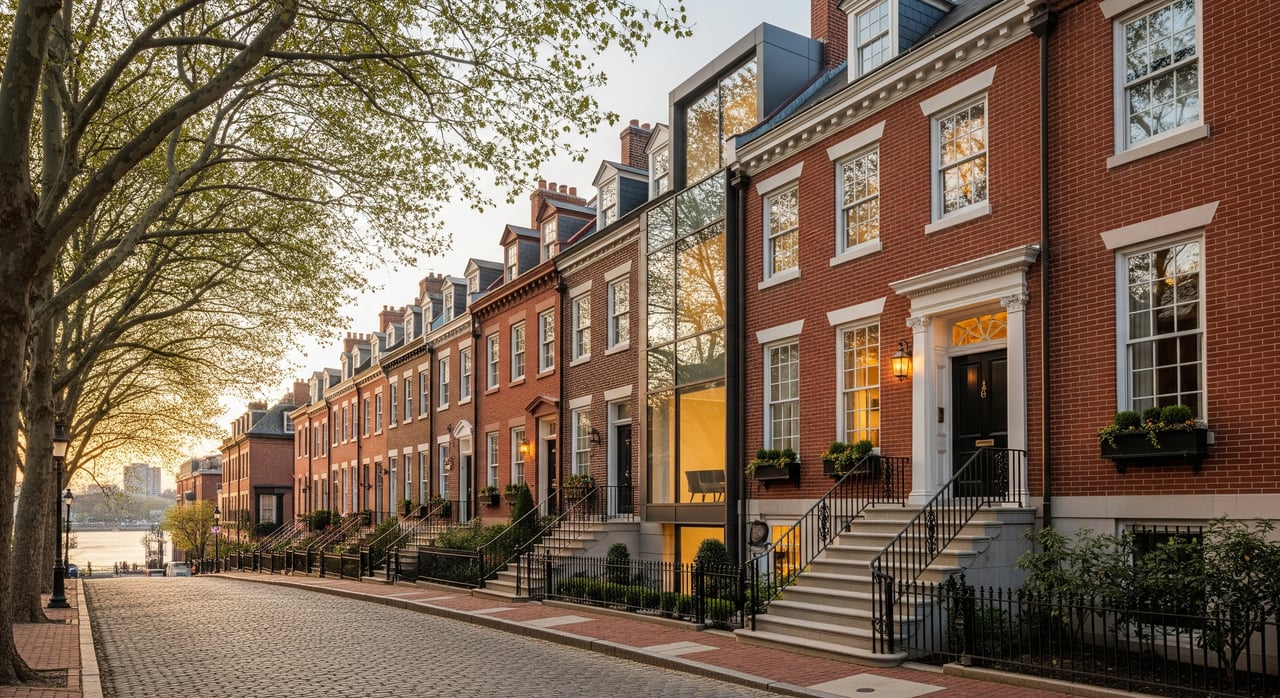
Shopping for a home in Georgetown can feel like a puzzle. You want historic charm and walkability, but you also care about parking, renovation quality, and value near the water. The market is tight, choices vary by season, and small details can shift prices a lot. In this guide, you’ll learn how inventory works here, how rowhouses compare to condos, and how factors like waterfront proximity, parking, and condition affect what you pay. Let’s dive in.
Georgetown consistently runs on low supply with strong demand. Listings tend to be fewer than the broader D.C. market, and many homes are one-of-a-kind. Expect a product mix weighted toward historic brick rowhouses and smaller luxury condo buildings.
Spring usually brings more listings and buyers, while winter has fewer choices but sometimes more flexible sellers. Well-priced, turnkey homes often attract multiple offers and shorter days on market. Many buyers compare price per square foot by micro-location, with properties closer to the Canal and Waterfront corridors often trading at a premium.
Macro influences also shape demand. Proximity to employment centers, universities, and a highly walkable retail and dining scene keeps Georgetown high on the list for urban professionals who value lifestyle convenience.
Georgetown serves two overlapping buyer pools: those seeking historic rowhouses and those prioritizing turnkey condos with services. Use the following tiers to frame value and trade-offs.
If you want exact price bands, use the latest 12-month neighborhood metrics and matched comps. Median sale prices and price per square foot shift by block, condition, and parking. Always date your data and compare like-for-like properties on the same street whenever possible.
Water sets the tone for many Georgetown buyers. Not all “near the water” is equal, so classify the property first:
Direct waterfront or strong views tend to trade at a premium because of scarcity and lifestyle. Access to parks and dining is a draw. Still, factor in practical considerations like potential event noise, foot traffic near popular restaurants, and flood risk for low-lying parcels. Review flood maps and discuss insurance implications before you write an offer.
Many historic rowhouses were built without garages, so parking is a meaningful value lever. In practice, you will see three common setups:
If you are buying, verify whether parking is deeded or an easement, and confirm dimensions and access. For condos, confirm how many spaces convey and the monthly fee structure if applicable.
Condition drives both price and speed to sell. Consider three levels:
Review permit history for significant work and any code issues. Exterior changes in Georgetown’s historic district often require approvals, and rooftop additions or terraces can face limits. Interior projects may still need permits for structural, electrical, plumbing, or HVAC work. Checking the record upfront helps manage risk and informs your offer strategy.
If you are comparing nearby neighborhoods, start with product types and lifestyle drivers.
For many buyers, the decision comes down to character and street-level energy versus building amenities and parking convenience. Georgetown often leads on historic charm and address prestige, while West End and Foggy Bottom deliver more options in amenity-rich buildings.
Use this checklist to focus your search and protect your investment:
When you focus on the levers that matter most to you, you avoid overpaying for the wrong features and position your offer to win.
Ready to navigate Georgetown with confidence? Reach out to the trusted local advisors at Wydler Brothers for a tailored search, smart comps, and a strategy that fits your goals.
Stay up to date on the latest real estate trends.

The national market is anything but uniform. Here's where Washington fits in.
A Realtor's Guide to Moving

Why High Mortgage Rates, Low Inventory, and Frozen Housing Mobility Continue to Restrain the DC Housing Market

How to Rethink Your Home, Lifestyle, and Future in the Empty Nest Phase

Twenty-one years ago, Steve and I wrote our first Washington Post article titled “Bigger Bids Aren’t Always Better Bids.”
Much has been written about the coming “Silver Tsunami” — the unprecedented wave of wealth transferring from Baby Boomers to younger generations. But from where we sit… Read more

As we look forward to this new year and enter a new housing market era, Steve and Hans have tackled 15 of the most common real-estate myths they see in the market.

Compass Corporate has released their 2026 Market Outlook, and a handful of insights stood out as especially telling. Here is what caught our attention.

Valuing and negotiating a home can feel a lot like blackjack. You need skill, instinct, and some luck—and the stakes are real.
Wydler Brothers have been selling residential real estate for over 20 years in the DC metro area. Along the way, they’ve achieved numerous awards and recognitions, including being recognized as “The Most Innovative Real Estate Agent in America” (Inman, 2014), written several articles for The Washington Post, authored a book, “Inside the Sell”, co-founded a real estate tech company which sold to Move, Inc. in 2013, and built Wydler Brothers into a highly respected boutique brokerage with 70 agents and employees which they sold to Compass in 2019. Currently, Wydler Brothers is among the top 3 teams in the DMV and was the #1 Compass Team in 2022.