Leave a Message

Thank you for your message. We will be in touch with you shortly.

High‑ROI Upgrades for Bethesda Homes

High‑ROI Upgrades for Bethesda Homes

Thinking about selling your Bethesda home this spring or summer? The right upgrades can help you stand out, sell faster, and protect your bottom line. You do not need a full gut renovation to get results. With a smart plan focused on kitchens, mudrooms, outdoor living, and EV charging readiness, you can boost appeal without overspending. Let’s dive in.

What Bethesda buyers value

Buyers in Bethesda often juggle busy commutes and active family life. They look for functional kitchens, organized entries, and outdoor spaces they can use right away. Many also want an easy path to EV charging. Most of all, they expect quality that matches neighborhood comps and a look that feels current and low maintenance.

These preferences make four upgrades especially effective: a refreshed kitchen, a tidy mudroom or drop zone, a usable deck or patio, and visible EV readiness. Put your energy here before you consider niche add-ons.

High-ROI kitchen upgrades

Best bets for most homes

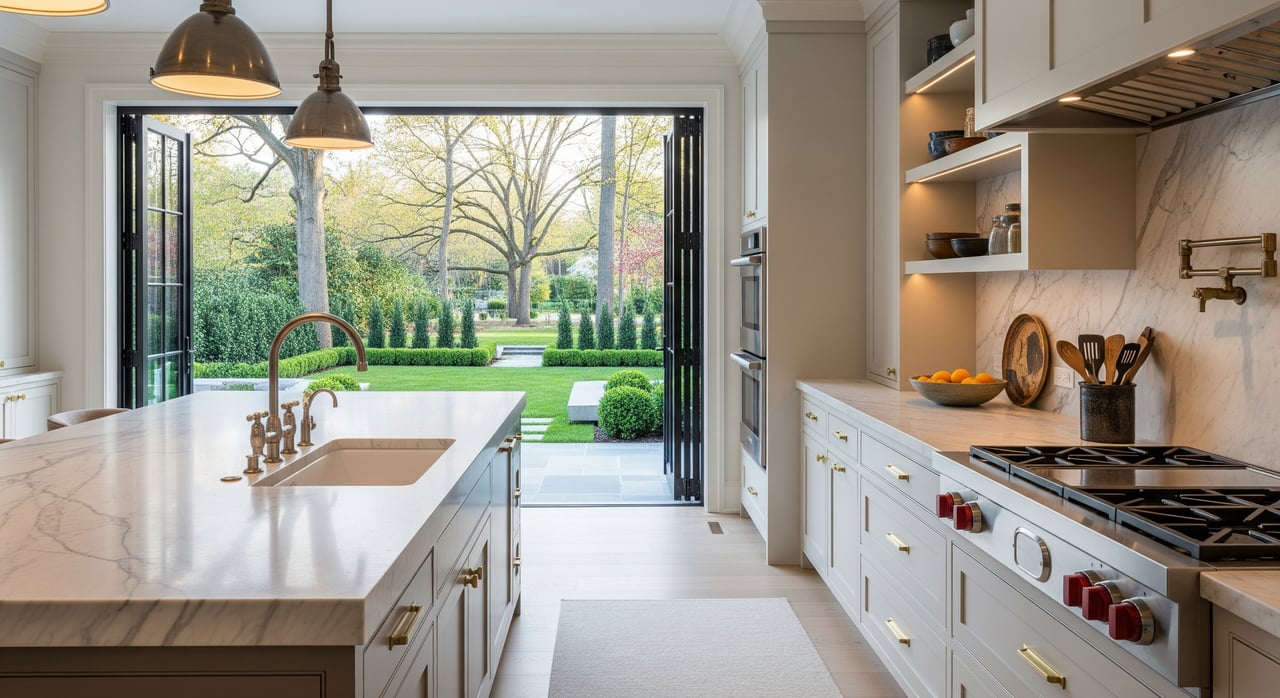
  • Repaint or reface cabinets in a neutral, durable finish.
  • Install quartz or similar low-maintenance counters.
  • Update lighting and hardware to clean, modern styles.
  • Replace worn flooring with durable options that match the home’s style.
  • Upgrade to midrange, energy-efficient stainless appliances.
  • Add storage solutions like pull-outs and pantry organizers.

Cost and expected return

  • Minor refresh: about $10,000 to $30,000. These projects often recoup a higher share of cost, commonly in the 70 to 80 percent range.
  • Midrange remodel: about $30,000 to $80,000. Typical recoup is lower, often 50 to 65 percent, but it can lift your sale price and interest if it fits neighborhood standards.
  • Major gut: $80,000 to $200,000+. Reserve this for homes at the top of the market where buyers expect it.

Actual ROI varies by scope, finishes, and comps. In Bethesda, midrange updates that modernize layout, light, and storage tend to perform best.

Permit and timeline basics

  • Cosmetic work like painting and hardware changes usually does not require a permit.
  • Moving plumbing or electrical, or altering structural elements, requires permits in Montgomery County. Licensed trades must perform this work.
  • Typical timelines: 1 to 3 weeks for a cosmetic refresh, 4 to 10 weeks for a midrange remodel, and 8 to 16+ weeks for a full gut, plus permitting and inspections.

Quick staging wins

Deep clean, re-caulk, replace worn outlet covers, and style open shelves sparingly. Good lighting and clear sight lines make a strong first impression.

Mudroom and entry organization

Why it works

Daily life in Bethesda calls for organized storage. A tidy drop zone helps buyers picture easy mornings and clean floors. It is a small project with outsized impact.

Costs and scope

  • Built-in bench, hooks, cubbies, paint: about $1,500 to $8,000.
  • Small addition or more complex reconfiguration: $8,000 to $30,000+.

Timeline and permits

  • Interior built-ins often finish in 1 to 2 weeks and typically do not require permits.
  • Any change to structure, egress, plumbing, or electrical needs permits. Plan 3 to 8+ weeks for projects that add square footage.

Design tips

Keep finishes neutral and durable. Include a seat for shoes, closed storage for visual calm, and a discreet charging shelf for devices.

Outdoor living that shows well

What to build or refresh

  • Composite deck: $10,000 to $40,000. Low maintenance and a strong buyer draw.
  • Paver patio or hardscape: $4,000 to $25,000. Scales well for many yards.
  • Landscape refresh: $2,000 to $15,000. High visual return for a modest spend.
  • Optional extras like a firepit or simple pergola can be appealing, but keep them in line with comps.

ROI and timing

Decks and patios often show a solid midrange recoup and strong listing appeal. Simple patio or landscaping projects can finish in 1 to 3 weeks. Larger decks or hardscape usually take 2 to 6 weeks.

Permit notes in Montgomery County

Decks attached to the home, decks above certain heights, porches, and many detached structures require permits. Larger hardscape or grading may trigger additional reviews for stormwater or impervious surface limits. Confirm details with the county before you start.

Design tips

Size the space for a table, grill, and easy circulation. Choose low-maintenance materials, add simple lighting, and use privacy plantings for a calm, polished look in photos.

EV charging readiness

What buyers want

EV adoption is growing across Montgomery County. Many buyers want a ready-to-use Level 2 charger or a clear pathway to install one.

Options and costs

  • Level 2 charger with existing panel capacity: about $600 to $2,500 installed.
  • If you need a panel upgrade or long conduit runs: $2,000 to $10,000+.
  • Smart chargers with Wi-Fi and scheduling features are popular.

ROI and perception

Direct price recoup varies, but EV readiness can help your home win against similar listings. At minimum, consider running conduit and a dedicated 240V circuit to signal readiness.

Permits and timing

New 240V circuits and chargers typically require an electrical permit in Montgomery County. A simple install can take 1 day to 1 week. Panel upgrades and permitting can take 2 to 6 weeks.

Incentives

Federal, state, and local incentives change. Check current Maryland and Montgomery County programs before you budget and keep documentation for buyers.

Montgomery County permits at a glance

  • Work that commonly needs a permit: structural changes, additions, new living areas, most electrical beyond outlet swaps, plumbing changes, decks and porches, and work affecting stormwater or lot coverage.
  • Work that may not need a permit: cosmetic interior updates like paint, cabinet refacing, and minor plantings. Always confirm thresholds for hardscapes and structures.
  • Typical steps: confirm zoning limits and setbacks, prepare drawings, submit to the Department of Permitting Services, respond to review comments, obtain permits, schedule inspections, and secure final approval.
  • Review timelines: about 1 to 4 weeks for small electrical or simple building permits. Multi-trade or structural projects may take several weeks to months.
  • Licensed trades: electrical, plumbing, and HVAC work must be performed by licensed professionals. Verify contractor licensing and insurance.
  • Risk management: unpermitted work can reduce buyer confidence and complicate closing. Keep permits and inspection approvals organized for buyers.

Plan your timeline for a spring listing

  • 6 to 9 months out: define scope, get three written bids, and check zoning and permit needs.
  • 3 to 6 months out: submit permits for any structural, electrical, or plumbing work.
  • 2 to 3 months out: complete kitchen refreshes, mudroom built-ins, and deck or patio work. Allow extra time for weather and panel upgrades.
  • 2 to 6 weeks out: final touch-ups, deep clean, and professional photos of outdoor areas in peak season.

Prioritize for value

  1. Fix safety and function first. Roof, mechanicals, electrical, and structural items come before cosmetics.
  2. Focus on high-impact, midrange updates: kitchen refresh, paint, flooring repair, lighting, and mudroom storage.
  3. Upgrade curb appeal: landscaping and entry polish deliver strong first impressions.
  4. Add EV readiness if it is low cost. Otherwise, provide documentation that shows an easy path to install it later.
  5. Avoid over-customization that can narrow your buyer pool.

Contractor and budgeting checklist

  • Get three bids that break out materials, labor, permits, and timeline.
  • Verify Maryland Home Improvement Commission licensing and insurance.
  • Confirm who pulls permits and schedules inspections in writing.
  • Budget a 10 to 20 percent contingency for surprises, especially in older homes.
  • Ask about panel capacity early if planning kitchen upgrades or an EV charger.
  • Keep before-and-after photos, receipts, warranties, and permit records.

What to document for buyers

  • Permit numbers, inspection approvals, and final sign-offs.
  • Itemized invoices for materials and labor.
  • Product manuals and warranties, especially for appliances and chargers.
  • A short summary of work completed with dates and contractor info.

Next steps

If you are aiming for a strong spring or summer sale, start planning now. Choose a tight list of midrange upgrades, line up permits, and keep clear records. For a tailored plan, market-savvy finish selections, and vetted contractor intros, reach out to the Wydler Brothers. Start the conversation. Request a personalized consultation.

FAQs

Which kitchen upgrades give the best ROI in Bethesda?

  • Focus on cabinet refacing or repainting, quartz counters, improved lighting, midrange appliances, and storage add-ons. These typically deliver strong buyer appeal at midrange cost.

Do I need a permit for a deck in Montgomery County?

  • Decks attached to the home, decks above certain heights, porches, and many detached structures require permits. Confirm details with the county before building.

How much does a Level 2 home EV charger cost to install in Bethesda?

  • If your panel has capacity, expect about $600 to $2,500 installed. Panel upgrades or long conduit runs can bring total costs to $2,000 to $10,000+.

How far in advance should I start upgrades before a spring sale?

  • Begin planning 3 to 6 months before work starts. Many midrange projects finish in 2 to 6 weeks, while major kitchens and additions can take 8 to 12+ weeks plus permitting.

What documents should I provide buyers for recent renovations?

  • Share permits, inspection approvals, invoices, contractor info, and any warranties. A short summary of scope and dates helps buyers feel confident.

Recent Blog Posts

Stay up to date on the latest real estate trends.
Bidding Wars Revisited

Twenty-one years ago, Steve and I wrote our first Washington Post article titled “Bigger Bids Aren’t Always Better Bids.”
The “Silver Tsunami” Is Already Hitting Shore

Much has been written about the coming “Silver Tsunami” — the unprecedented wave of wealth transferring from Baby Boomers to younger generations. But from where we sit… Read more

Busting 15 Real Estate Myths

As we look forward to this new year and enter a new housing market era, Steve and Hans have tackled 15 of the most common real-estate myths they see in the market.

Thinking About Selling or Buying in 2026? 

Compass Corporate has released their 2026 Market Outlook, and a handful of insights stood out as especially telling. Here is what caught our attention. 

How to Play Your Cards Right

Valuing and negotiating a home can feel a lot like blackjack. You need skill, instinct, and some luck—and the stakes are real.

The 100: Big Ideas, Bigger Connections

We attended The 100 in Franklin, TN—an exclusive network of Compass’s top 100 agents nationwide—where we connected with peers and leadership representing over $30B in … Read more

Going Analog on Purpose

October Market Update and the Year of the Crazy Ivan

You Had Me At "DMV"

After a summer of sweating through showings and pretending humidity is a glow, we’re savoring the cooler mornings, the first hints of gold in the trees, backpacks reap… Read more

An Onion Ring in Your Fries… and a Surprise Summer Market

It’s early August, but we think the market may be showing signs of … April vibes!

Work With Us

Wydler Brothers have been selling residential real estate for over 20 years in the DC metro area. Along the way, they’ve achieved numerous awards and recognitions, including being recognized as “The Most Innovative Real Estate Agent in America” (Inman, 2014), written several articles for The Washington Post, authored a book, “Inside the Sell”, co-founded a real estate tech company which sold to Move, Inc. in 2013, and built Wydler Brothers into a highly respected boutique brokerage with 70 agents and employees which they sold to Compass in 2019. Currently, Wydler Brothers is among the top 3 teams in the DMV and was the #1 Compass Team in 2022.

Follow Us on Instagram