Kalorama DC Neighborhood Guide to Quiet Luxury Living
February 5, 2026
February 5, 2026
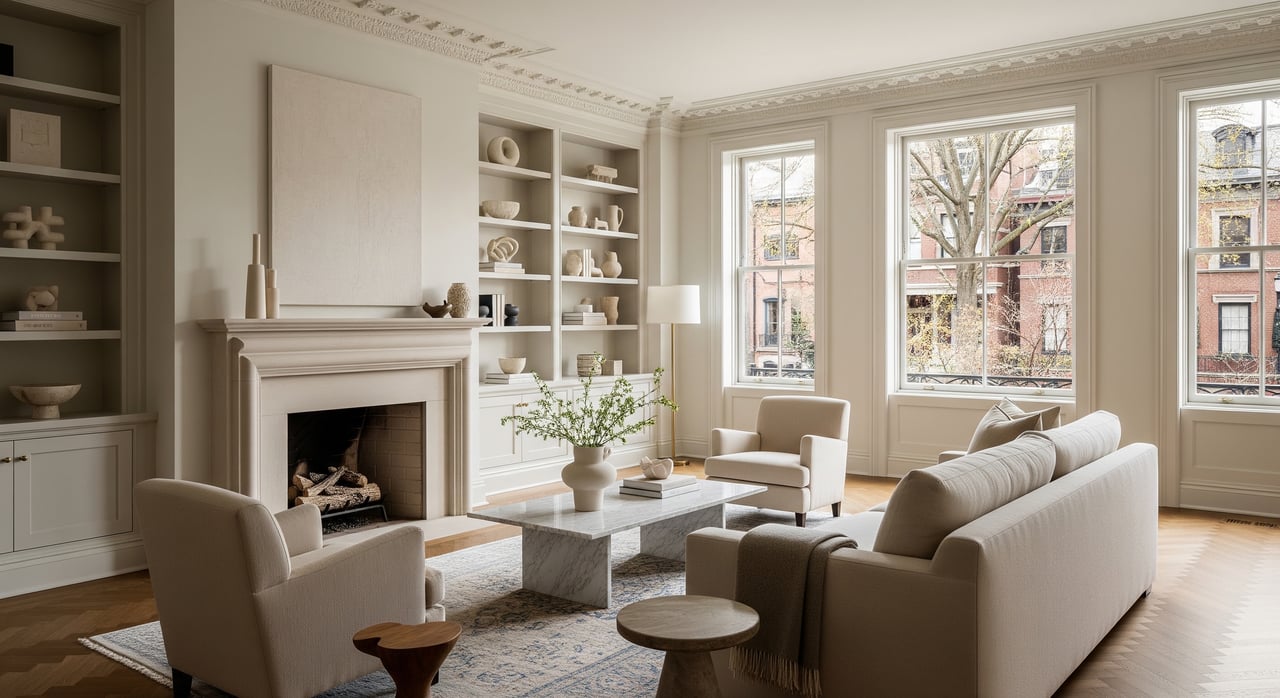
What draws people to Kalorama? For many, it is the rare mix of privacy, classic architecture, and easy access to the best of Northwest DC. If you want a calm, tree-lined enclave near embassies, parks, and culture, this neighborhood is worth a close look. In this guide, you will learn how Kalorama is laid out, what it feels like to live here, the homes you will find, and what to expect on price and process. Let’s dive in.
Kalorama is a compact neighborhood in Northwest Washington, DC, just north of Dupont Circle and adjacent to Adams Morgan. You will often hear two sub-areas mentioned: Sheridan-Kalorama, which sits between Massachusetts Avenue and Rock Creek Park, and Kalorama Triangle, which borders closer to Adams Morgan and Columbia Road. Exact boundary lines vary by source, but both areas share a similar residential, historic feel.
You are close to several well-known DC corridors. Embassy Row runs along Massachusetts Avenue NW, while Dupont Circle and Logan Circle sit to the south. Adams Morgan is within walking distance, and Woodley Park and Cleveland Park are just to the north. This central position delivers a quiet home base with quick access to cultural and commercial hubs.
Kalorama’s reputation is “quiet luxury.” Streets are leafy and formal, lined with mature trees and stately façades. Many embassies and ambassadorial residences are based here, which adds a diplomatic presence and visible security in some spots. The result is a calm, low-key atmosphere compared to busier nearby corridors.
You will notice well-kept sidewalks, pocket parks, and landscaped circles, including Sheridan Circle and Kalorama Park. The mix of long-term homeowners, diplomats, and professionals contributes to a stable neighborhood rhythm. Many residents value privacy, architectural quality, and access to green space over nightlife at the doorstep.
Kalorama is known for elegant, early 20th-century homes. Because of historic protections and a mostly built-out landscape, new construction is limited and tends to be small-scale or sensitive conversions.
Architectural styles include Beaux-Arts, Georgian and Colonial Revival, and Tudor Revival, among other late 19th and early 20th-century designs. Many homes feature stone accents, ornate cornices, and preserved millwork or parquet floors. Streetscapes are uniform and formal, with consistent setbacks and mature trees.
Parts of Sheridan-Kalorama and Kalorama Triangle fall within local and National Register historic districts. If you plan exterior changes, you will likely need review and approval from the D.C. Historic Preservation Review Board and local processes. Expect extra steps for additions, major alterations, or demolition. Interior renovations are typically more flexible unless the building is individually landmarked or your condo/co-op rules create added requirements.
The practical takeaway: build extra time into your renovation plans, and consult professionals early. Interior design updates are usually straightforward. Exterior work will take more coordination and permitting.
Kalorama is highly walkable. You can reach daily errands, cafés, and a wide range of dining by foot, especially along the neighborhood edges. The interior streets remain quiet, while nearby corridors bring energy and variety.
Within Kalorama, retail is modest and neighborhood-serving. A short walk expands your options in Dupont Circle, 17th Street NW, and Adams Morgan along Florida Avenue and Columbia Road. You will find diverse restaurants, cafés, bars, and specialty shops within minutes. Upscale and international options are common nearby, reflecting the diplomatic presence.
Green space is a standout. Small parks like Kalorama Park and Sheridan Circle offer local respite. Rock Creek Park is immediately accessible for running, biking, and shaded strolls. Meridian Hill/Malcolm X Park is close by for formal lawns and weekend community gatherings. If outdoor time matters to you, this neighborhood makes it easy.
Kalorama ranks among DC’s higher-priced neighborhoods. Inventory is limited, and properties often attract buyers who prioritize privacy, architectural pedigree, and central access. Year to year, prices can shift with the broader market, and specific numbers depend on condition, location, and property type.
As a broad guide to typical ranges:
Compared with nearby neighborhoods, Kalorama is generally equal to or higher-priced than Adams Morgan and often pricier than Dupont Circle for comparable single-family homes, due in part to the supply of large mansions. Condominiums can be more competitive with surrounding areas, depending on the building and level of renovation.
Kalorama is a good match if you want central DC access without a high-traffic retail scene on your block. Many buyers are diplomats, executives, and households who value privacy, prestige, and classic architecture. If you love prewar detail, mature trees, and a peaceful residential grid, this area will likely feel right. If you want nightlife just downstairs, you may prefer a busier corridor nearby.
Buying in a historic, high-demand neighborhood calls for clear strategy. You want current data on property types, a plan for competitive bidding when needed, and guidance on renovations, permits, and condo or co-op rules. You also want an agent who knows micro-block differences and how to structure offers that win without overpaying.
With a senior-led, advisory approach, we help you:
If Kalorama is on your list, you can get privacy, beauty, and central access in one of DC’s most admired neighborhoods. The right guidance makes the process efficient and rewarding.
Ready to explore your options or map a plan for your move? Start the conversation with the team at Wydler Brothers.
Stay up to date on the latest real estate trends.

Trick or Treat? The Psychology of 7%

More Inventory, More Choice: What Buyers and Sellers Can Expect from the DMV Real Estate Market This Fall

The national market is anything but uniform. Here's where Washington fits in.
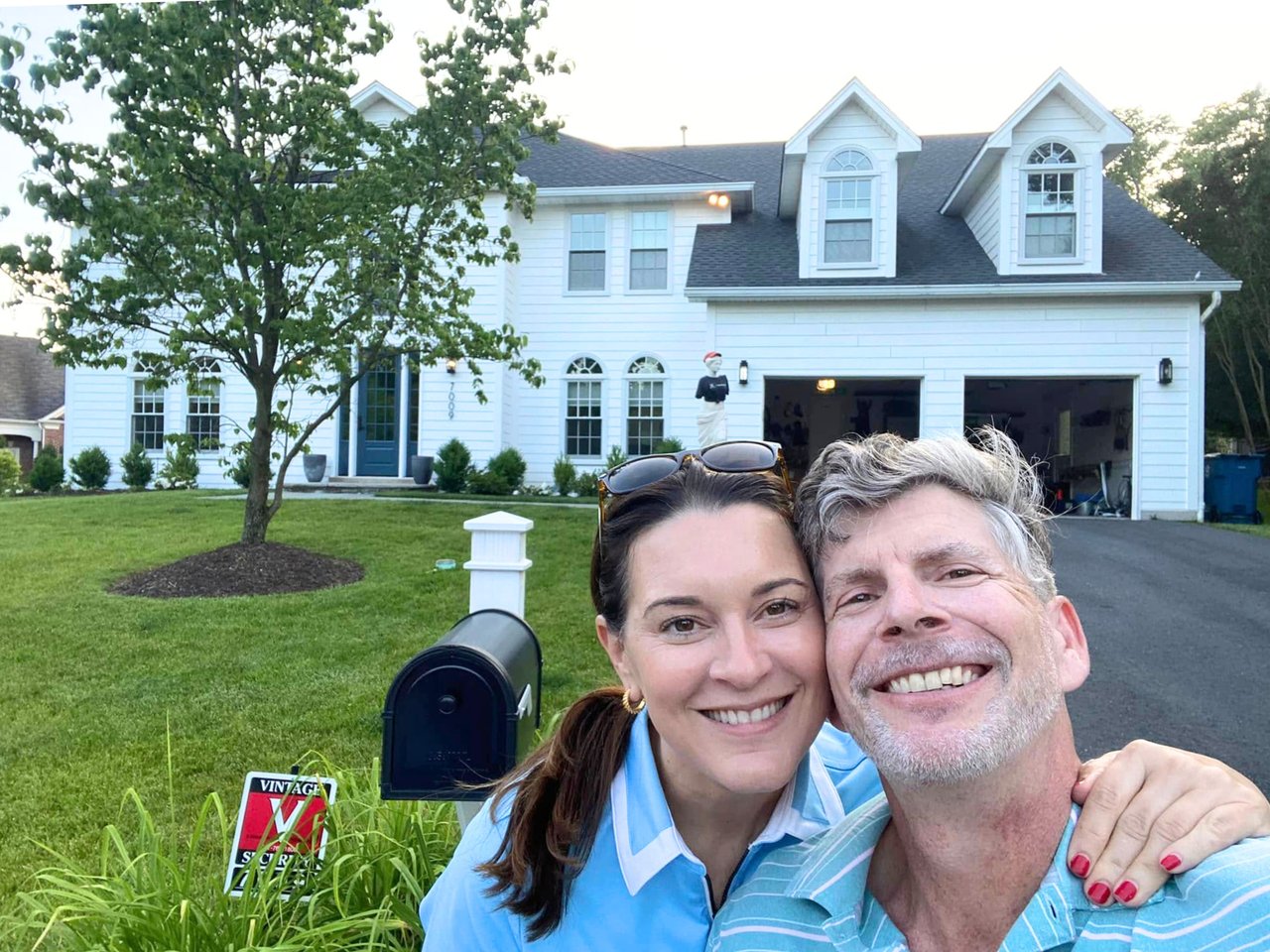
A Realtor's Guide to Moving
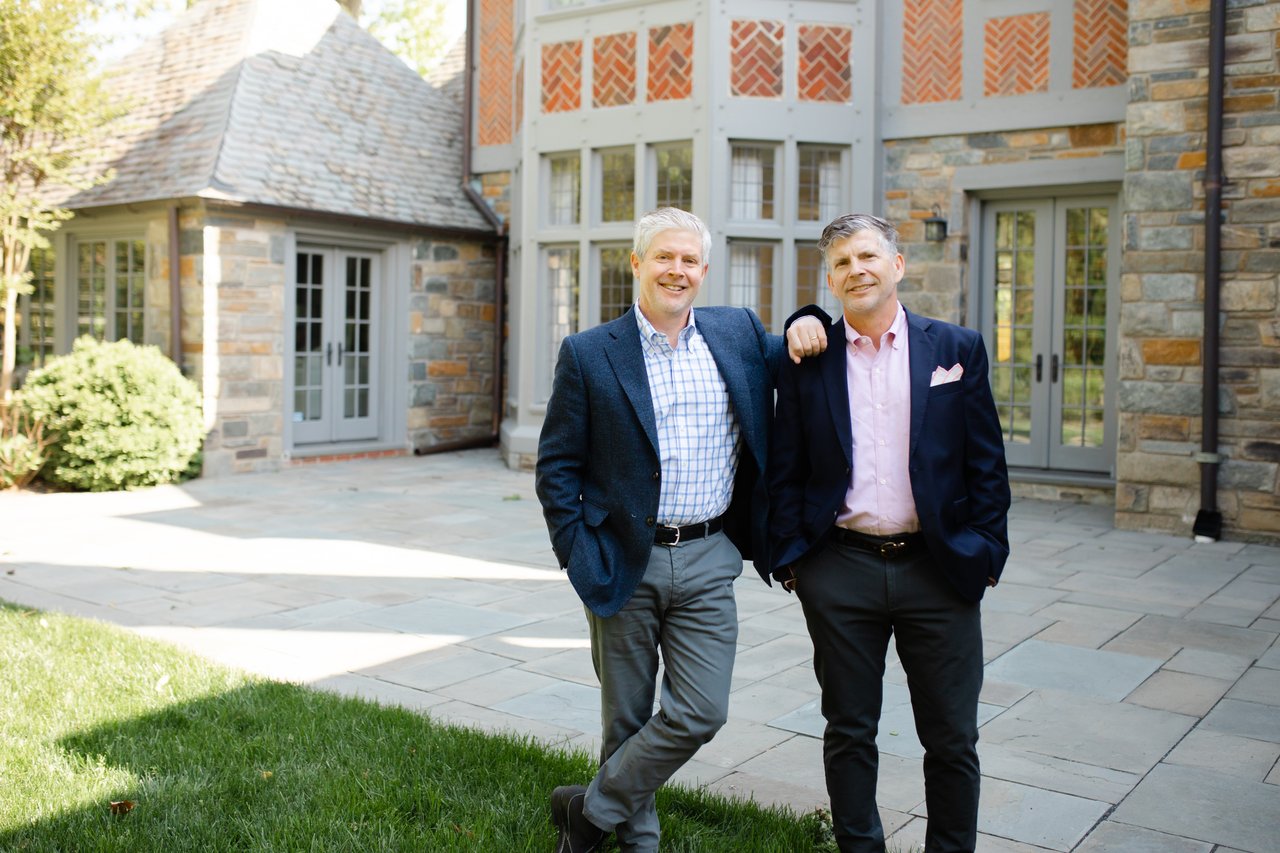
Why High Mortgage Rates, Low Inventory, and Frozen Housing Mobility Continue to Restrain the DC Housing Market

How to Rethink Your Home, Lifestyle, and Future in the Empty Nest Phase

Twenty-one years ago, Steve and I wrote our first Washington Post article titled “Bigger Bids Aren’t Always Better Bids.”
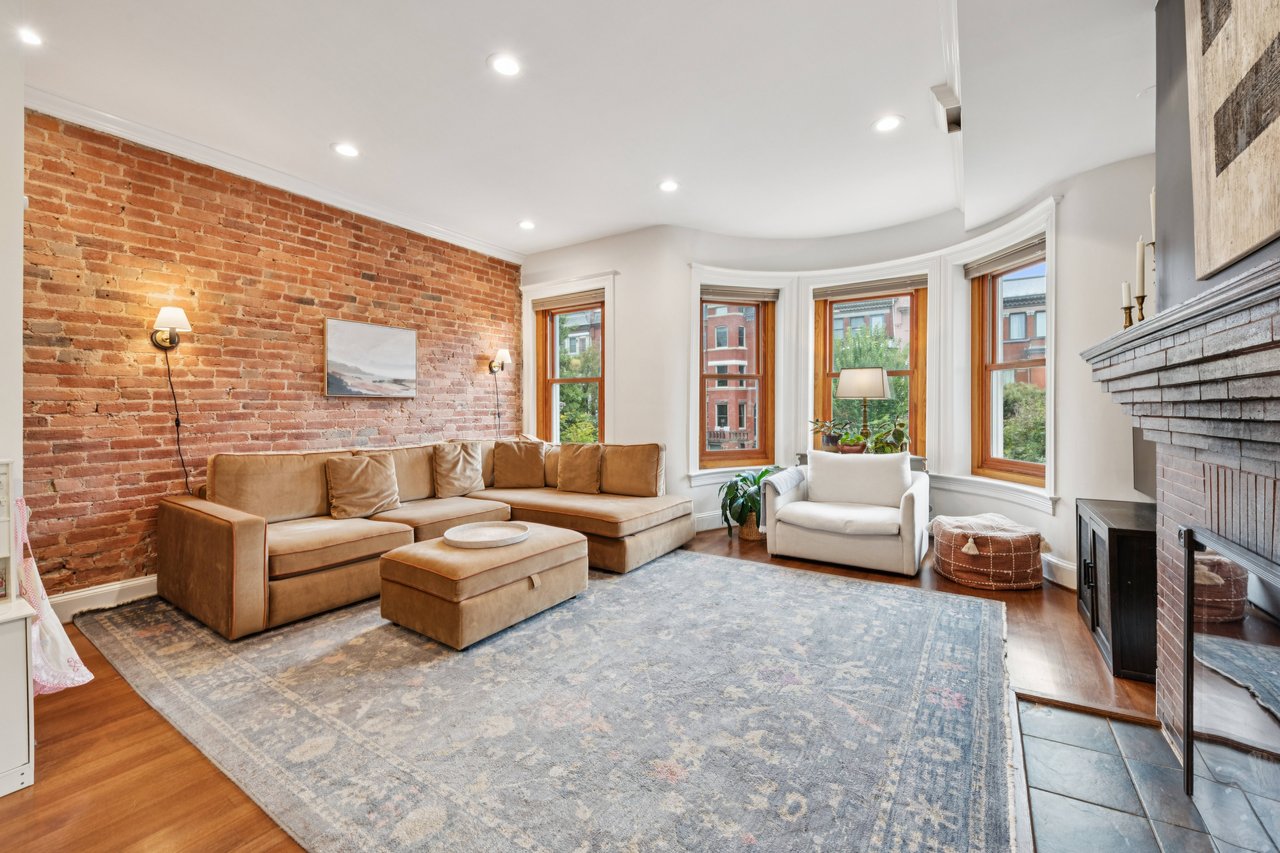
Much has been written about the coming “Silver Tsunami” — the unprecedented wave of wealth transferring from Baby Boomers to younger generations. But from where we sit… Read more
As we look forward to this new year and enter a new housing market era, Steve and Hans have tackled 15 of the most common real-estate myths they see in the market.
Wydler Brothers have been selling residential real estate for over 20 years in the DC metro area. Along the way, they’ve achieved numerous awards and recognitions, including being recognized as “The Most Innovative Real Estate Agent in America” (Inman, 2014), written several articles for The Washington Post, authored a book, “Inside the Sell”, co-founded a real estate tech company which sold to Move, Inc. in 2013, and built Wydler Brothers into a highly respected boutique brokerage with 70 agents and employees which they sold to Compass in 2019. Currently, Wydler Brothers is among the top 3 teams in the DMV and was the #1 Compass Team in 2022.