Thinking about buying on Capitol Hill and keep hearing “rowhouse” and “townhouse” used like they mean the same thing? You are not alone. In DC, the terms overlap, but the details can shape your daily life, your renovation plans, and your resale value.
In this guide, you’ll get a clear, plain‑English look at how these homes differ in DC, what to expect on tours, and the key checks to make before you write an offer. You’ll also see the trade‑offs for maintenance, upgrades, and long‑term value. Let’s dive in.
Rowhouse vs. townhouse in DC
In everyday DC conversation, people often use “rowhouse” and “townhouse” interchangeably. In practice, you’ll see patterns that matter when you shop.
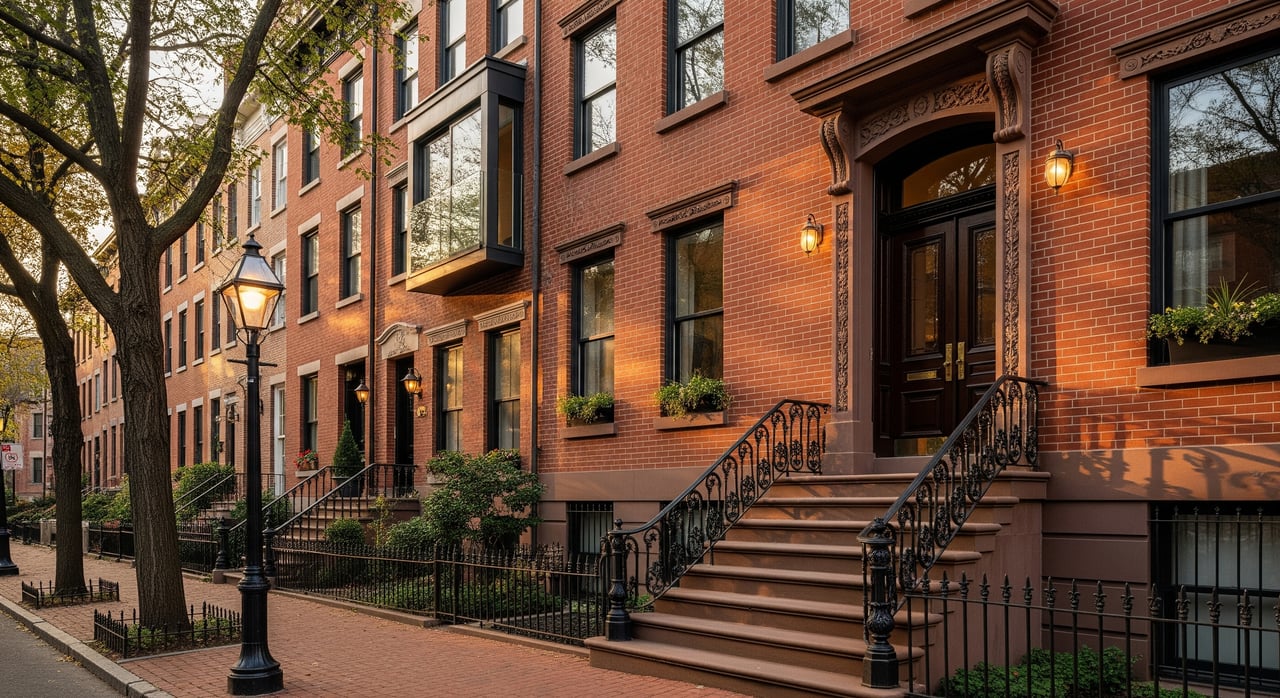
- Rowhouse: In DC, this usually means an older, attached brick home built in a continuous row in the 19th or early 20th century. Capitol Hill is full of these classics, often with stoops, parlor layouts, and brick facades.
- Townhouse: In marketing and listings, this often points to a wider or more modern attached home. In the NW corridors around Logan Circle, Dupont, Shaw, and the Adams Morgan area, many townhouses have open main levels, updated systems, roof decks, and sometimes garages or alley parking.
Why it matters: the label can signal what you should expect inside, how easy it is to renovate, the likelihood of historic review for exterior changes, and how the home will position for resale.
What you’ll see on tours
Capitol Hill rowhouse basics
Capitol Hill rows share a familiar look and footprint.
- Facade and lot: Brick facades, narrow widths around 14 to 20 feet, continuous cornice lines, and a small or zero front setback. Many have raised basements and stoops. Rear yards are common but narrow. Some blocks have rear alleys.
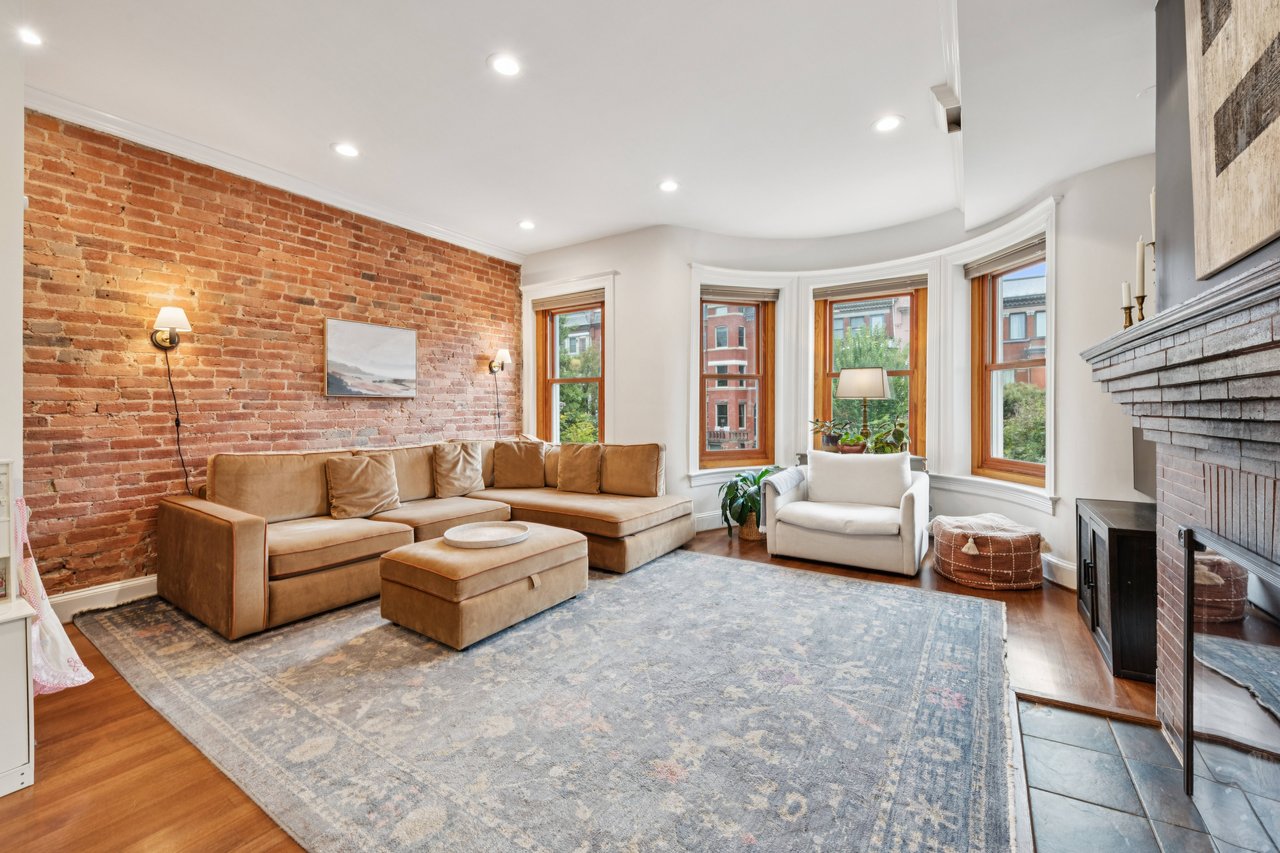
- Interior layout: A classic parlor level up a few steps, with high ceilings and original moldings. Kitchens often sit at the rear or in an extension. Upstairs you’ll find two to three bedrooms stacked across upper floors. Basements may be unfinished storage or a small family space.
- Systems and constraints: Older plumbing, electrical, and HVAC are common. Stairs and hallways can be tight. Opening up the main level often requires notable structural work.
- What to look for: Original woodwork, tall parlor windows, brick details, narrow stoops, and a rear gate that may lead to an alley.
NW townhouse basics
NW townhouses offer more variety and often more width.
- Facade and lot: You’ll see restored historic facades in Dupont and Logan, plus modern infill with contemporary cladding on some blocks. Widths can reach 20 to 30 feet or more in places. Rear or alley garages show up more often, and rooftop decks are common in renovated homes.
- Interior layout: Many have open‑plan main levels, larger kitchens, more bathrooms, and bedroom‑level laundry. Basements are often fully finished. Some properties are rebuilt as stacked flats or luxury single‑family homes with elevators.
- Systems and amenities: Updated HVAC and modern kitchens are the norm in renovated homes. Alley parking and small garages are more feasible where lot and alley patterns allow.
- What to look for: Wider facades, bay windows, roof deck stairs, and garage doors at the alley.
Hybrids and exceptions
DC has plenty of crossovers. You might tour a Capitol Hill rowhouse with a modern rear addition or an early 20th‑century NW rowhouse kept mostly intact. Alley‑front homes and carriage houses can also be labeled “townhouses” in listings, which blurs the lines.
Ownership and walls to watch
Deed types to confirm
- Fee simple: You own the land and the house. This is common for both rowhouses and townhouses.
- Condominium or conversion: Some attached homes are part of a condo or co‑op. This affects assessments, renovation control, and resale.
Before you offer, confirm what you are buying, how common expenses are managed, and what rules apply to exterior and interior changes.
Party walls and permits
Most attached homes in DC share vertical party walls. That means you should:
- Review the deed, recorded plat, and any party‑wall or maintenance agreements.
- Ask for seller disclosures about past party‑wall work or disputes.
- Have a qualified inspector or structural pro evaluate wall condition.
- Expect coordination and permits if you plan to cut into a party wall, add structural loads, or change rooflines.
Zoning and historic rules
Zoning controls height, lot occupancy, additions, and penthouse rules. Historic districts add another layer. Capitol Hill is within a designated historic district, and many NW blocks also have protections. Exterior work visible from public space usually requires review. Interior work is generally less restricted unless the home is a landmark.
Buyer action items:
- Verify if the address sits in a historic district.
- Confirm what exterior changes are allowed without review.
- Pull the property’s permit history to see if prior work was permitted.
Alleys, easements, parking
Rear alleys can be a big value driver. They enable parking, garages, trash access, and easier equipment replacement.
- Some alleys are public, others are private with shared responsibilities.
- Confirm legal alley access and any recorded easements for utilities or drainage.
- Verify that parking is a legal right attached to the property, not just a custom.
Lead paint and code checks
Older DC homes often predate modern standards. Plan for due diligence:
- Request a permit history for major systems and structural work.
- Consider a lead paint risk assessment for pre‑1978 houses.
- Confirm that renovations were permitted to avoid financing or resale issues.
Maintenance and renovation
Ongoing costs to expect
Rowhouses and townhouses share some costs, but age and features change the picture.
- Rowhouse considerations: Brick and brownstone maintenance like repointing can be specialist work. Older roofs, chimneys, and historic windows need ongoing care, and window replacement can require historic approvals. Narrow lots can complicate HVAC equipment placement or replacement.
- Townhouse considerations: Renovated townhouses often have updated systems that reduce near‑term maintenance. Rooftop decks, garage doors, and modern features add new maintenance items to the list.
- Shared walls: Sound and thermal performance vary. Upgrading party walls for insulation or sound can be disruptive and may require coordination.
Typical projects and approvals
- Rear additions: Common on Capitol Hill to expand the kitchen and family space. Additions visible from the street often need historic review.
- Vertical expansion: Adding a story or penthouse requires zoning review and neighbor coordination.
- Interior reconfiguration: More straightforward, but narrow structural bays can limit the size of openings without added steel or structural changes.
What to expect on cost and timing: Historic review adds time and design coordination. Structural changes in narrow houses are often more complex than reworking a wider NW townhouse.
Buyer action items:
- Start early conversations with the Historic Preservation Office and the Office of Planning for major changes.
- Get written neighbor agreements for work touching party walls or requiring access.
Light, privacy, circulation
- Capitol Hill rowhouses can have darker middle rooms because of narrow widths and limited side light. Skylights and thoughtful lighting help, but expect a cozier feel.
- NW townhouses often feel brighter and airier thanks to wider footprints, bay windows, and roof decks.
- With shared walls, some sound transfer is normal. The quality of construction and insulation varies.
Resale and buyer strategy
What drives demand
- Location: Proximity to Metro, Eastern Market and Hill shops, and NW amenities shapes value.
- Character vs. convenience: Capitol Hill rowhouses with period details appeal to buyers who prioritize historic charm and block continuity. Renovated NW townhouses attract buyers who want open layouts, more bathrooms, roof decks, and easier parking.
- Outdoor space and parking: A rear yard, alley access, or a garage remains a strong selling point.
- Clean records: A clear permit history and no open code issues smooth financing and resale.
Questions to ask on tour
Bring this checklist:
- Ownership and legal: Fee simple or condo? Any recorded party‑wall or maintenance agreements? Historic district status?
- Condition and systems: Roof age, HVAC and electrical panel condition, sewer lateral status, any foundation or water intrusion history.
- Site and lifestyle: Alley ownership, confirmed parking rights, outdoor space size and orientation, room for additions.
- Renovation feasibility: Height and lot occupancy limits for a deck or rear addition. Were prior renovations permitted?
- Cost and taxes: Current tax class, exemptions, and recent assessments.
Which home fits your style
- Preservation‑minded: If you love original moldings, tall parlor ceilings, and a classic floor‑by‑floor layout, a Capitol Hill rowhouse will likely speak to you.
- Modern convenience: If you want an open main level, multiple en‑suite baths, a roof deck, and easier parking, an updated NW townhouse may be a better fit.
- Investor or value‑adder: Focus on properties where permitted additions or modernizations can meaningfully increase livability and value. Permit history and historic status are critical.
Next steps
As you compare homes in DC, focus on what you can change and what you cannot. Width, historic status, alley access, and party‑wall conditions are hard constraints. Kitchens, baths, and finishes are easier to adjust with time and a good plan. A smart first move is to verify deed type, pull the permit history, confirm historic status, and map your likely renovation scope before you bid.
If you want a seasoned, local perspective as you weigh Capitol Hill rowhouses against NW townhouses, the Wydler Brothers team can help you align your wish list with the right blocks, lot types, and renovation paths. Start the conversation today with Wydler Brothers.
FAQs
What is the difference between a DC rowhouse and a townhouse?
- In DC, a rowhouse usually means an older, attached brick home in a continuous row, while “townhouse” often signals a wider or more modern attached home with updated layouts and amenities.
Are Capitol Hill rowhouses in a historic district with extra rules?
- Yes, Capitol Hill is within a designated historic district, and exterior changes visible from public space typically require review, while interiors are generally less regulated.
What should I know about party walls when buying in DC?
- Most attached homes share party walls, so review any recorded agreements, ask for past repair disclosures, and expect permits and neighbor coordination for structural work.
Can I add a rooftop deck to a DC townhouse or rowhouse?
- It depends on zoning, height and penthouse rules, and historic status; many projects are feasible with permits, but visible additions can trigger review and neighbor coordination.
How do alleys and parking affect value and daily life?
- Legal alley access can enable rear parking or garages and ease maintenance; confirm ownership, recorded easements, and that parking rights run with the property.
What inspections matter most for older DC homes?
- Prioritize roof, HVAC, electrical panel, sewer lateral, foundation, and party‑wall condition, and verify that past renovations were properly permitted.