Waterfront Or Hilltop Living In Georgetown?
March 5, 2026
March 5, 2026
Torn between sunrise river views and the quiet charm of a historic street? If you love Georgetown, that choice often comes down to the waterfront versus the hilltop. Both offer walkable living, rich history, and access to some of D.C.’s best dining and parks. In this guide, you’ll learn how these two micro-areas differ in daily life, commute options, parking, renovation rules, flood risk, and value, so you can decide what fits you best. Let’s dive in.
Waterfront living in Georgetown centers on the lower blocks along the Potomac near Georgetown Waterfront Park, Water Street NW, K Street NW, and mixed-use developments like Washington Harbour. You get open river and Key Bridge views plus immediate park and boating access.
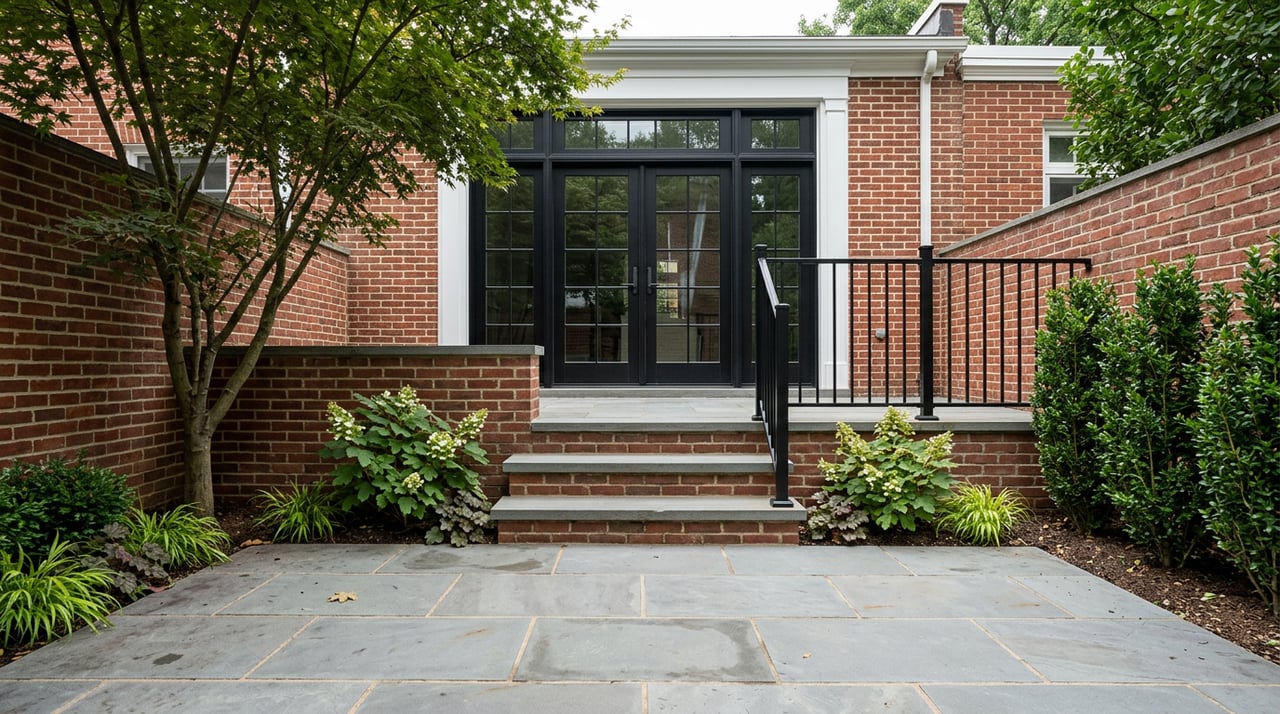
Hilltop living means the higher streets north of M Street and Wisconsin Avenue, including tree-lined residential blocks like Prospect Street and pockets in Book Hill and the West Village. Here, you’ll find historic rowhouses and a quieter, more residential feel, typically set higher above the river level.
Pro tip: Visit any block you’re considering at several times of day. Midweek mornings, weeknights, and weekend afternoons each tell a different story.
Georgetown does not have its own Metrorail station. You’ll use Metrobus or the DC Circulator, with the nearest Metrorail stations at Foggy Bottom–GWU and Rosslyn. If you commute to Virginia, waterfront living offers quick Key Bridge access and ties into regional trails for biking.
Cyclists love the waterfront’s connections to the Capital Crescent and Mount Vernon trails. If you rely on rail, time your door-to-door trip to Foggy Bottom or Rosslyn during your typical commute window.
On-street parking in Georgetown is regulated under the District’s Residential Permit Parking program. Many residential blocks limit non-resident parking to short time windows during posted hours unless a resident permit is displayed. M Street and Wisconsin Avenue also have meters and peak rules.
Waterfront condos and newer townhomes more often include underground or structured parking. Hilltop rowhouses frequently lack off-street garages, or may have small alley spaces. If parking matters to you, verify whether spaces are deeded, assigned, or waitlisted, and how guest parking works.
Quick checks:
Waterfront properties sit closer to the Potomac and face higher exposure to river-related flooding during storm events and over the long term as water levels rise. District and federal tools map potential inundation and are useful for address-specific planning. Federally backed lenders typically require flood insurance if a property is within FEMA’s Special Flood Hazard Area.
Many waterfront buildings have mitigation features such as floodgates, raised entries, and protected mechanicals. These measures reduce risk but do not remove it. Ask about building-level protections, emergency procedures, and any past flood events.
Flood due diligence checklist:
Georgetown is a National Historic Landmark District. Exterior changes visible from public ways undergo layered review by the Old Georgetown Board/Commission of Fine Arts and DC Historic Preservation. This can affect rooflines, additions, windows, and materials.
If you are eyeing a hilltop rowhouse or any home within the historic district, plan for longer permitting timelines and tighter design guidance. Ask sellers for records of approvals on recent work and discuss your renovation plans with professionals familiar with the local review process.
At the neighborhood level, Zillow reports a typical Georgetown home value of about $1,479,549 (data through January 31, 2026). Different providers measure different baskets, so medians can vary, especially between condo and rowhouse product.
Waterfront condos and new high-end residences often command a premium per square foot thanks to views, amenities, and turnkey convenience. Recent ultra-luxury activity, including reported per-square-foot prices above $3,000 at certain new waterfront projects, shows how riverfront addresses can set a high ceiling.
Hilltop rowhouses, especially larger and well-renovated homes, often land at high absolute prices due to lot depth, multiple floors, and scarcity. Per-square-foot values vary with size, renovation quality, and presence of parking. The limited supply and preservation context support long-term value for well-maintained homes.
You may prefer the waterfront if you value:
You may prefer the hilltop if you value:
Downsizers often lean waterfront for single-level living and amenities. Professionals who travel may appreciate secure buildings with concierge services. Buyers drawn to historic architecture and private outdoor space often gravitate to the hilltop, while budgeting for stairs, maintenance, and the preservation process.
There is no wrong answer in Georgetown, only the right fit for how you live. Waterfront gives you views, amenities, and park access with a premium price tag and additional attention to flood and insurance details. Hilltop offers quieter, historic streets and long-term scarcity, with more hands-on ownership and preservation rules to respect.
If you want help weighing lifestyle against the practicals for specific addresses, we’re here to advise with clarity and data. Start the conversation with the Wydler Brothers.
Stay up to date on the latest real estate trends.
A Realtor's Guide to Moving

Why High Mortgage Rates, Low Inventory, and Frozen Housing Mobility Continue to Restrain the DC Housing Market

How to Rethink Your Home, Lifestyle, and Future in the Empty Nest Phase

Twenty-one years ago, Steve and I wrote our first Washington Post article titled “Bigger Bids Aren’t Always Better Bids.”
Much has been written about the coming “Silver Tsunami” — the unprecedented wave of wealth transferring from Baby Boomers to younger generations. But from where we sit… Read more

As we look forward to this new year and enter a new housing market era, Steve and Hans have tackled 15 of the most common real-estate myths they see in the market.

Compass Corporate has released their 2026 Market Outlook, and a handful of insights stood out as especially telling. Here is what caught our attention.

Valuing and negotiating a home can feel a lot like blackjack. You need skill, instinct, and some luck—and the stakes are real.

We attended The 100 in Franklin, TN—an exclusive network of Compass’s top 100 agents nationwide—where we connected with peers and leadership representing over $30B in … Read more
Wydler Brothers have been selling residential real estate for over 20 years in the DC metro area. Along the way, they’ve achieved numerous awards and recognitions, including being recognized as “The Most Innovative Real Estate Agent in America” (Inman, 2014), written several articles for The Washington Post, authored a book, “Inside the Sell”, co-founded a real estate tech company which sold to Move, Inc. in 2013, and built Wydler Brothers into a highly respected boutique brokerage with 70 agents and employees which they sold to Compass in 2019. Currently, Wydler Brothers is among the top 3 teams in the DMV and was the #1 Compass Team in 2022.