Luxury Kitchen Features McLean Buyers Love
January 15, 2026
January 15, 2026
Thinking about upgrading your kitchen in McLean and wondering what will truly wow buyers? You’re not alone. In this market, the kitchen is the showpiece, a workhorse for daily life, and a hub for entertaining. In this guide, you’ll learn which features matter most to McLean luxury buyers, how to prioritize upgrades for resale, and what to know locally about permits and prep. Let’s dive in.
McLean attracts affluent buyers who value quality, convenience, and polished presentation. Proximity to Tysons, downtown D.C., major commuter routes, and respected public and private schools keeps demand strong for turnkey homes. In the kitchen, buyers want professional performance, a refined look, and a floorplan that works for family and entertaining.
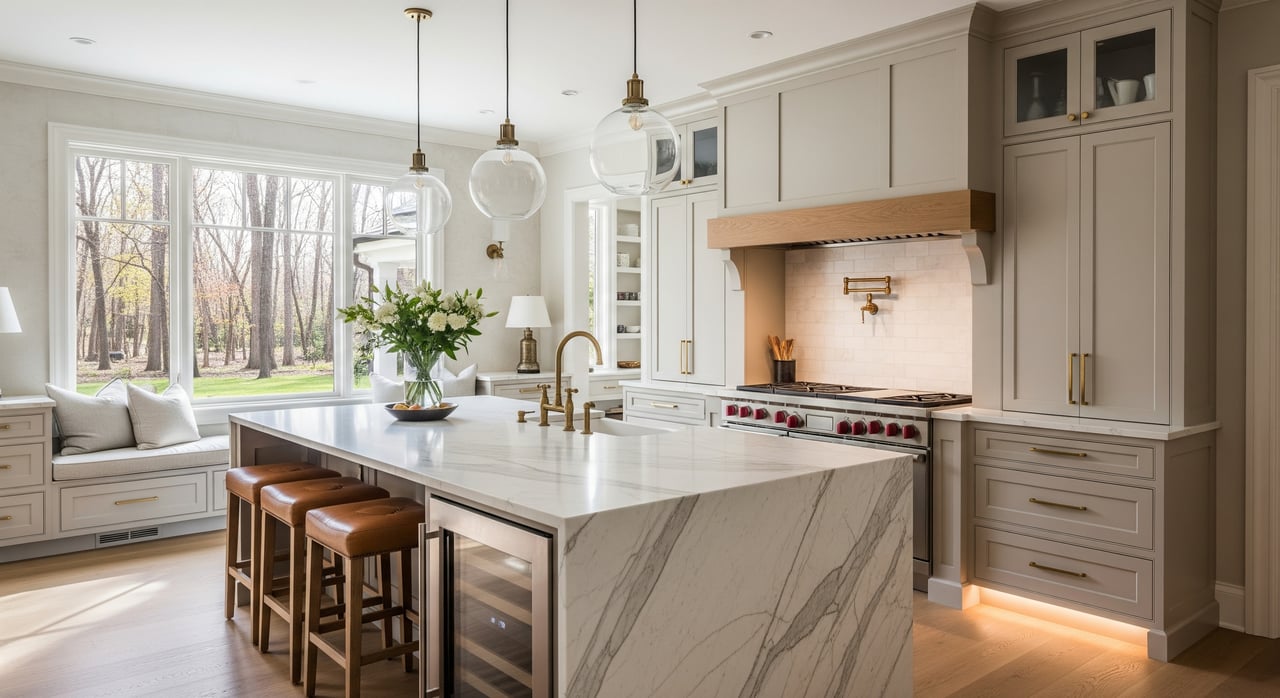
Timeless design tends to outperform highly trendy choices. Think transitional cabinetry, neutral palettes, and integrated appliances that read custom without feeling flashy. Many homes are older estates that have been updated, so modern performance wrapped in classic style plays especially well.
A 36-inch professional-style range is common in luxury listings, and a 48-inch range or dual ovens can be a differentiator for households that entertain. Gas remains popular, and induction continues to grow for speed, safety, and cleaner ventilation. Whichever you choose, match it with proper electrical or gas infrastructure and strong ventilation.
Integrated or panel-ready refrigerators from luxury brands signal a custom, upscale look. Dual-zone refrigeration, under-counter beverage fridges, and separate freezer drawers add convenience and communicate thoughtful design.
High-powered range hoods sized appropriately for the cooktop are a must. Strong, quiet ventilation protects finishes and improves air quality, which buyers notice during showings.
Quiet dishwashers, ideally below 44 dB, built-in microwaves, and steam or speed ovens are standard expectations. Consider warming drawers, built-in griddles, or sous-vide capabilities if they fit your cooking style and budget.
Wi-Fi–enabled appliances are widely accepted, but reliability and clean integration matter more than flashy features. Buyers respond best to cohesive systems that feel intuitive.
A generous island is almost universal in luxury kitchens. It anchors the space for prep, casual dining, and conversation. Stone-clad islands that coordinate with perimeter counters create a showstopping focal point.
Open sightlines to family and entertaining spaces remain popular, yet defined zones still matter. A well-planned prep area, a cleanup zone, and a staging area make the kitchen feel calm and efficient.
A separate butler’s pantry is a high-impact feature in McLean. It hides small appliances, provides space to stage meals, and keeps the main kitchen photo-ready during showings and events.
A spacious, organized pantry with shelving, deep drawers, and pull-outs is both practical and a strong visual cue of luxury. It also photographs well.
Place the sink, range, and refrigerator for efficient movement. Multiple sinks and prep stations are useful when two or more people cook together.
Full-height custom cabinetry with interior organization is a hallmark of high-end kitchens. Use drawer-based storage instead of deep lower cabinets to improve access. Add thoughtful touches like appliance garages, cutlery inserts, spice pull-outs, baking centers, charging drawers, and paneled appliance fronts for a seamless look.
Engineered quartz leads for durability, easy cleaning, and consistent patterns. Granite and quartzite provide natural stone appeal and stand up well to daily use. Marble is beautiful, and many sellers reserve it for an island or feature area rather than heavy-use perimeters to reduce staining risk.
Full-height stone backsplashes or large-format porcelain panels create a clean, luxe look that resonates in listing photos. A contrasting island stone or color adds dimension without feeling trendy.
Wide-plank hardwood, often oak in natural or lightly stained tones, is the go-to in McLean luxury homes. It ties the kitchen to adjacent rooms and elevates the entire main level in photos and in person. Porcelain tile in work zones can be practical, and radiant floor heat is a comfort upgrade that buyers appreciate.
Neutral, timeless palettes win. Warm whites, soft grays, and greige tones keep the space bright and flexible for buyers’ furnishings. Transitional cabinet styles, such as simple shaker profiles with custom details, tend to appeal widely. Choose hardware finishes like matte black, satin brass, or polished nickel, and keep metal tones consistent for a cohesive look.
Layered lighting is essential. Combine recessed ambient lighting with island pendants, under-cabinet task lights, and in-cabinet accent lighting. Use dimmers and warm-neutral color temperatures to flatter food and finishes. Good lighting also helps your kitchen shine in photos and twilight showings.
Dedicated beverage centers with an under-counter fridge, small sink, and ice maker streamline entertaining. Built-in coffee systems, steam ovens, and warming drawers attract culinary-minded buyers. Wine storage, whether a built-in unit near the kitchen or a nearby cellar, is a frequent request.
Smart lighting, whole-home audio, and appliance connectivity are expected in many luxury properties. Keep controls simple and reliable. Energy-efficient systems, strong HVAC performance, and quality filtration earn points with health- and efficiency-focused buyers.
Skip highly personalized finishes that could narrow your buyer pool, like bold wallpaper, extreme colors, or unusual tile motifs. Avoid builder-grade materials or ultra-dark palettes that can date quickly. If your goal is resale, choose timeless over trendy.
Ultra-luxe, highly customized features can delight the right buyer but may not recoup their full cost. Overly specific built-ins for niche hobbies can limit appeal. Major additions that extend the footprint require careful budgeting, permitting, and comparison to neighborhood comps before you proceed.
If your remodel involves structural work, relocating plumbing or electrical, adding gas lines, or significant mechanical changes, you will typically need permits and inspections through Fairfax County. Confirm requirements before starting to avoid issues at sale or transfer. Licensed contractors are usually required for energy, ventilation, and gas-related work.
Choose licensed, insured contractors with luxury kitchen experience in Fairfax County. Review portfolios, confirm recent high-end references, and ask about cabinet fabricators, stone shops, and post-installation service. For custom cabinetry and stone, plan for extended lead times.
Expect higher per-square-foot costs and longer timelines than mid-market projects due to custom work and integrated appliances. Older homes may reveal electrical or plumbing updates once walls are opened, so build a contingency into your budget. Get multiple bids with clear scopes and allowances to avoid change-order surprises.
Keep records of permitted work, inspections, and warranties. Provide service histories for major appliances, HVAC, and any wine or specialty systems. Clear documentation reassures buyers and can streamline closing.
If your kitchen connects to outdoor living, highlight that flow with clean glass, clear paths, and simple staging. Ensure surfaces sparkle, odors are neutral, and personal items are minimized. Aim for a calm, flexible canvas that lets buyers imagine their life unfolding in the space.
A luxury McLean kitchen is equal parts performance and polish. Focus on professional-grade appliances, a smart layout with a standout island, integrated storage, durable yet beautiful surfaces, and layered lighting. Keep the aesthetic timeless, the tech reliable, and the documentation organized. When you get these pieces right, you not only enjoy the space more, you also position your home to stand out when it is time to sell.
Ready to prioritize upgrades for your home and timeline? Start a conversation with the local team that blends boutique advice with enterprise reach. Connect with Wydler Brothers for a personalized plan.
Stay up to date on the latest real estate trends.

More Inventory, More Choice: What Buyers and Sellers Can Expect from the DMV Real Estate Market This Fall

The national market is anything but uniform. Here's where Washington fits in.

A Realtor's Guide to Moving

Why High Mortgage Rates, Low Inventory, and Frozen Housing Mobility Continue to Restrain the DC Housing Market

How to Rethink Your Home, Lifestyle, and Future in the Empty Nest Phase

Twenty-one years ago, Steve and I wrote our first Washington Post article titled “Bigger Bids Aren’t Always Better Bids.”
Much has been written about the coming “Silver Tsunami” — the unprecedented wave of wealth transferring from Baby Boomers to younger generations. But from where we sit… Read more

As we look forward to this new year and enter a new housing market era, Steve and Hans have tackled 15 of the most common real-estate myths they see in the market.

Compass Corporate has released their 2026 Market Outlook, and a handful of insights stood out as especially telling. Here is what caught our attention.
Wydler Brothers have been selling residential real estate for over 20 years in the DC metro area. Along the way, they’ve achieved numerous awards and recognitions, including being recognized as “The Most Innovative Real Estate Agent in America” (Inman, 2014), written several articles for The Washington Post, authored a book, “Inside the Sell”, co-founded a real estate tech company which sold to Move, Inc. in 2013, and built Wydler Brothers into a highly respected boutique brokerage with 70 agents and employees which they sold to Compass in 2019. Currently, Wydler Brothers is among the top 3 teams in the DMV and was the #1 Compass Team in 2022.